Non-toxic directory

Baby & Nursery

Carefully selected products chosen for cleaner materials, thoughtful craftsmanship, lower-toxic living, and a calmer beginning to family life.

Editorial

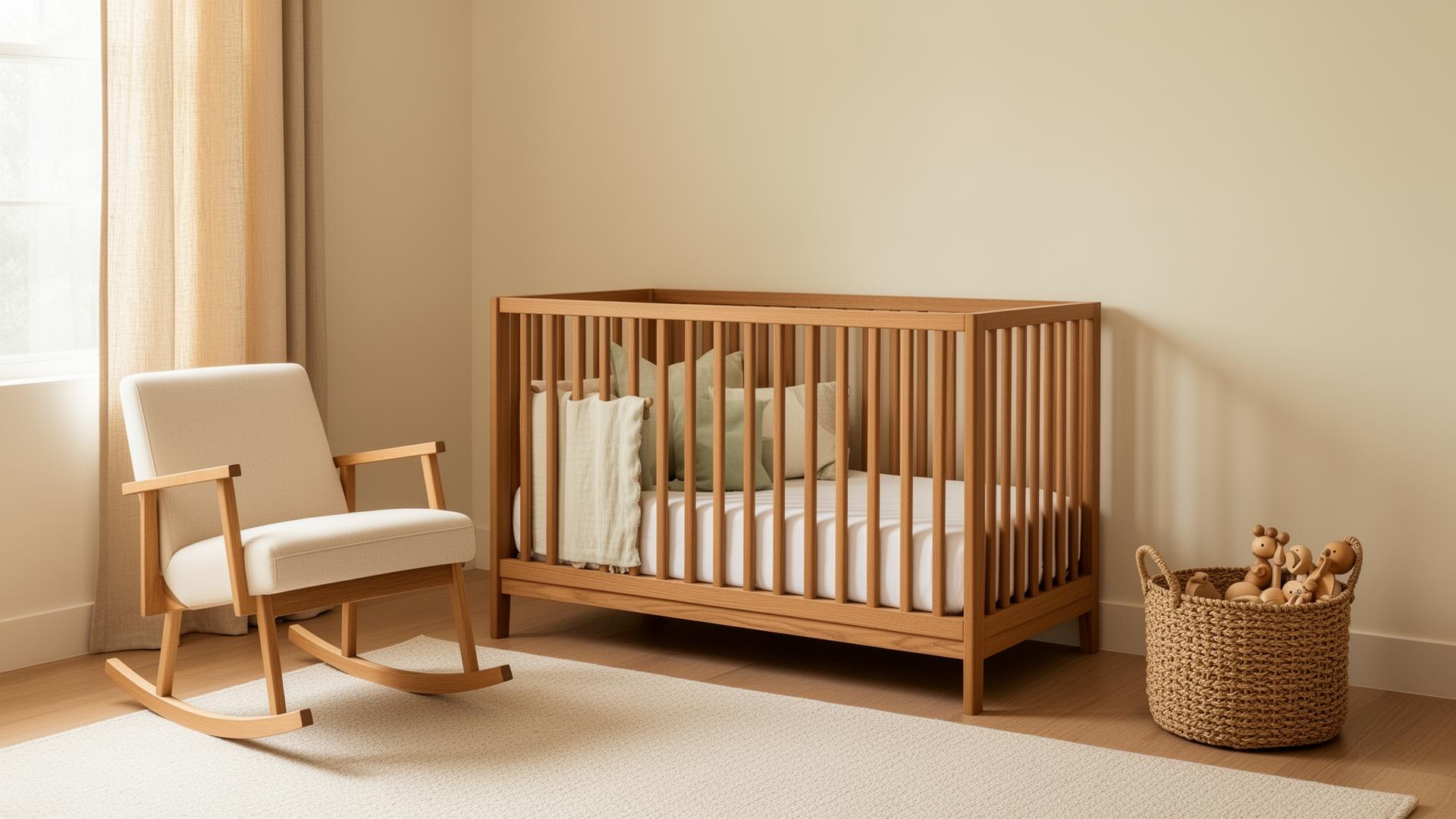
A calmer nursery begins with fewer, better-made things.

The products we bring into a baby’s environment become some of the very first materials they touch, sleep on, drink from, and grow alongside.

Modern parenting often comes with endless product recommendations and overwhelming marketing.

At Modern Holistic Living, we believe a calmer nursery begins with fewer, better-made products built from transparent materials.

Rather than recommending what is most popular, we evaluated material purity, certifications, craftsmanship, company philosophy, durability, and long-term trust.

Only a small number earned a place in this directory.

A closer look

How to Read a Baby Product Label

A handful of material families and certifications cover nearly every honest baby product on the market — understanding what they actually are makes it far easier to evaluate any item on its own merits.

01 — Material family

Organic Cotton

Examples

  • GOTS Certified
  • Conventional Cotton
  • Natural Fibers

Organic cotton is grown without synthetic pesticides, herbicides, or GMO seeds. GOTS (Global Organic Textile Standard) certification covers the entire textile chain — fiber, dyes, finishing, and processing — not just the raw crop.

Why it matters

Cotton is one of the most pesticide-intensive crops grown conventionally, and baby clothing sits directly against skin for most of the day. Natural fibers also breathe and wash better than synthetics over time.

02 — Material family

Glass vs Plastic Bottles

Examples

  • Borosilicate Glass
  • Tempered Glass
  • Medical-Grade Silicone Nipples
  • Polypropylene Components

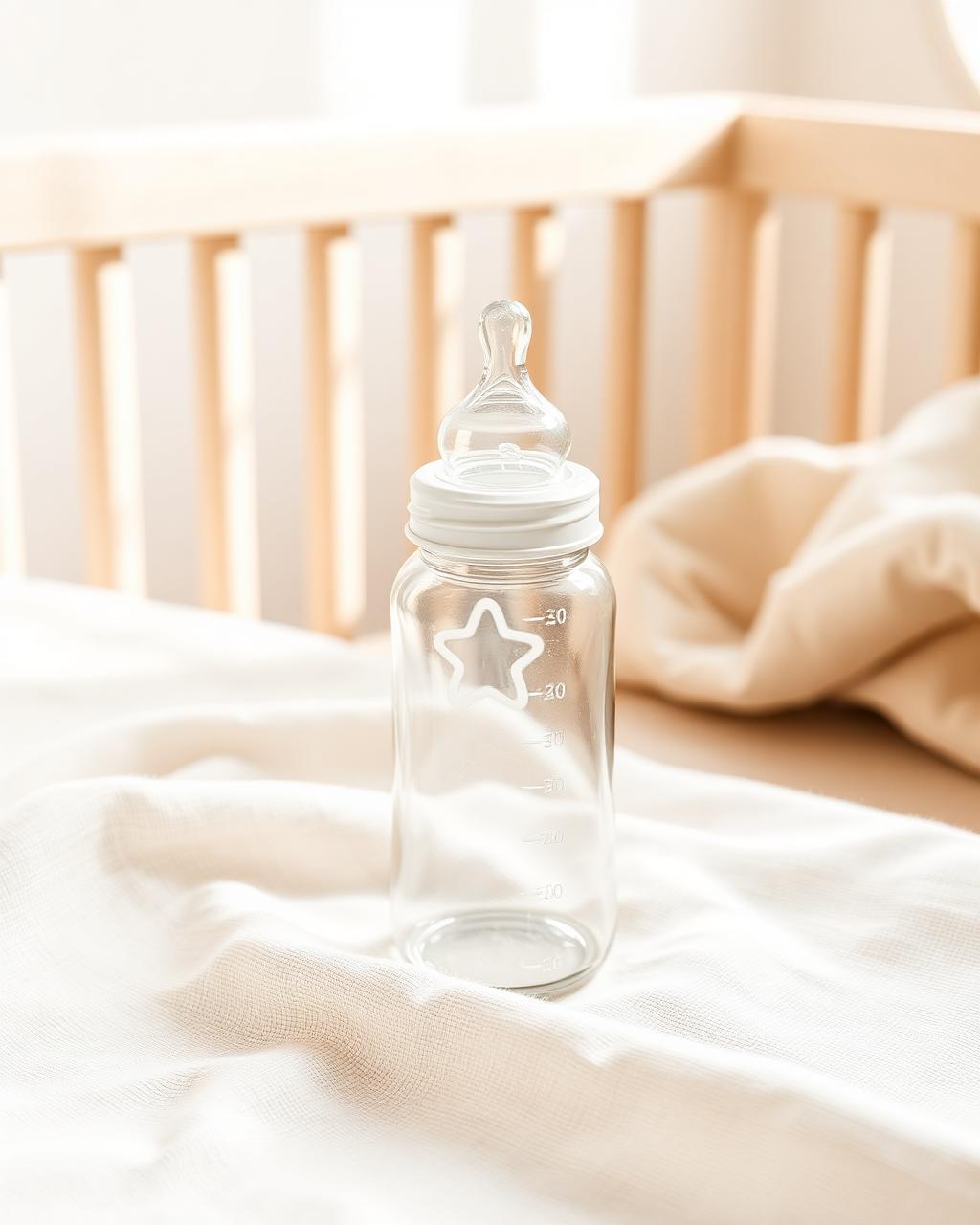
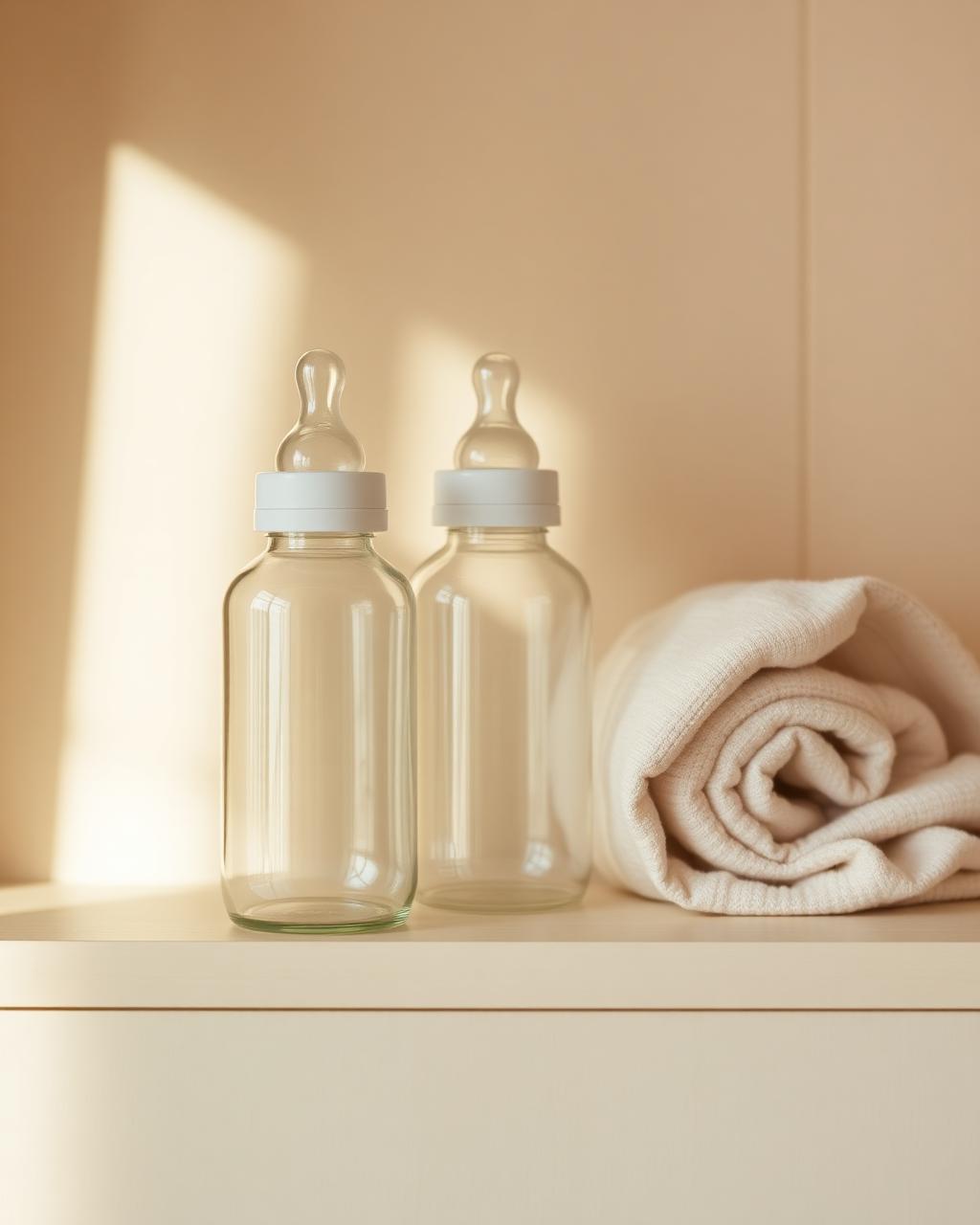
Glass bottles do not shed microplastic particles when warmed or sterilized. Medical-grade silicone nipples are inert and heat-stable. Most bottle systems still use small polypropylene parts in the cap and collar — that is honest, not a failure.

Why it matters

During the years a baby feeds most frequently, the bottle is one of the most repeatedly-warmed plastic items in a household. Glass remains our preferred long-term material whenever practical.

03 — Material family

Natural Latex

Examples

  • GOLS-Certified Natural Latex
  • Synthetic Rubber
  • Silicone

Natural latex is harvested from rubber trees and used in mattresses, pacifiers, and some toys. GOLS certifies the organic production of natural latex. Synthetic rubber and silicone offer different feel and durability trade-offs.

Why it matters

Natural latex carries a long history of safe use in nursery products. The benefits are durability and breathability; the trade-off is weight, cost, and the rare consideration of latex sensitivity.

04 — Material family

Crib Mattresses

Examples

  • Organic Cotton
  • Natural Latex
  • Steel Coils
  • Polyurethane Foam
  • Fire Barriers

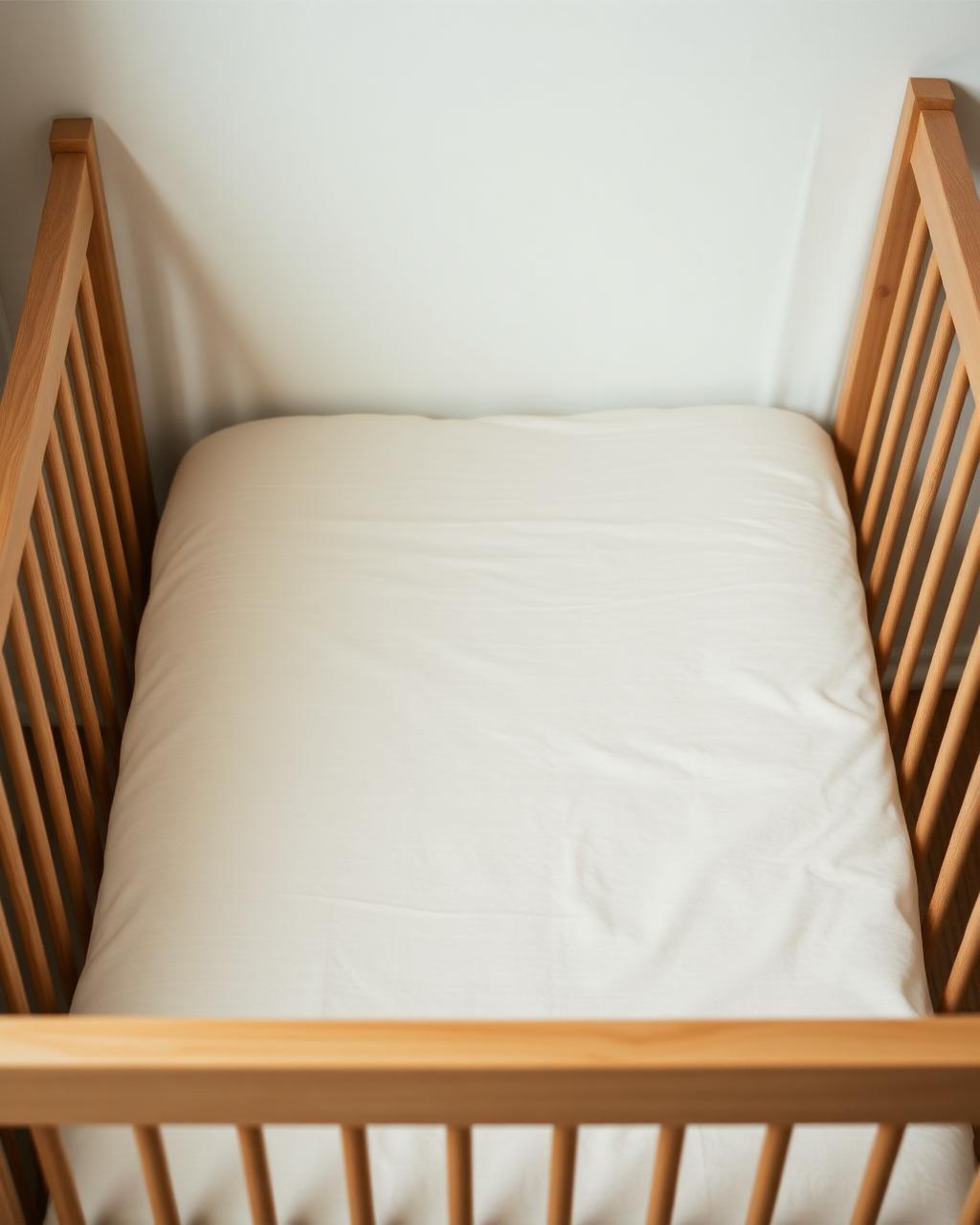
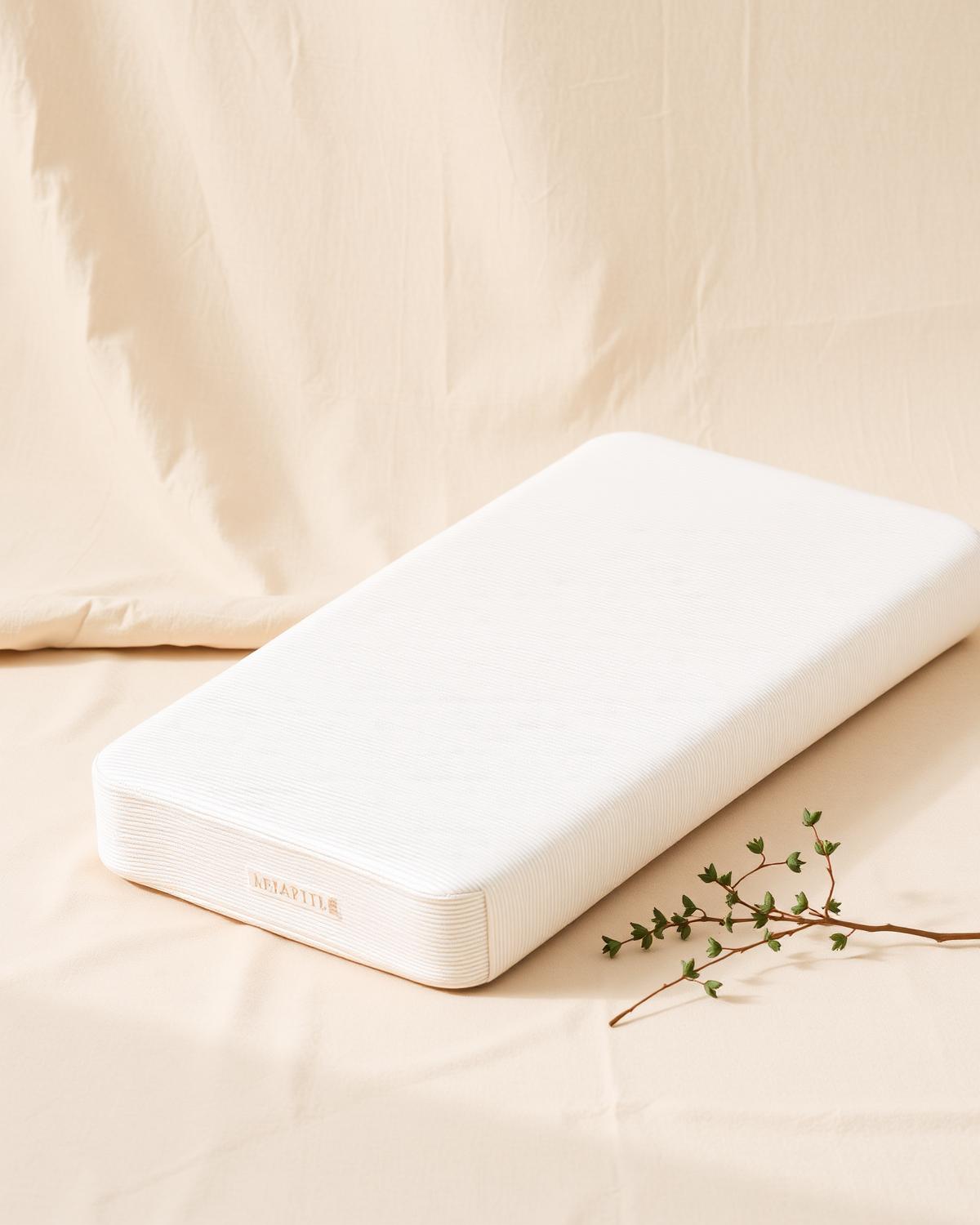
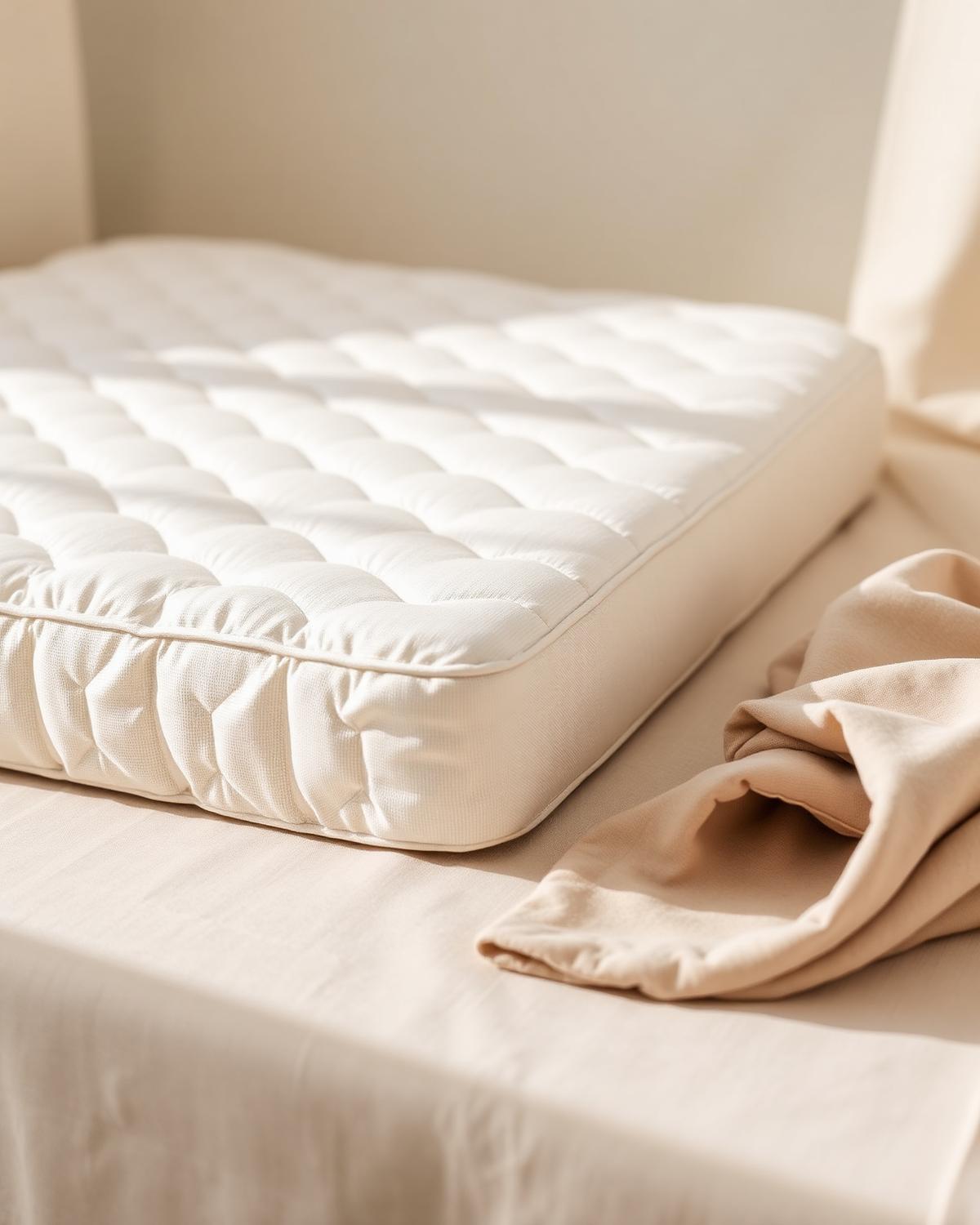
A crib mattress is one of the highest-exposure items in a nursery — a baby breathes against it for thousands of hours during the most sensitive years. Polyurethane foam, vinyl covers, and chemical flame retardants are the materials we look to avoid; organic cotton, wool, latex, and steel coils are the alternatives.

Why it matters

Independent certifications like GOTS, GOLS, GREENGUARD Gold, and MADE SAFE exist precisely because crib mattresses sit in a category where 'natural' marketing alone is not enough.

05 — Material family

Wooden Toys

Examples

  • Solid Hardwood
  • FSC Wood
  • Water-Based Finishes
  • Plastic Toys

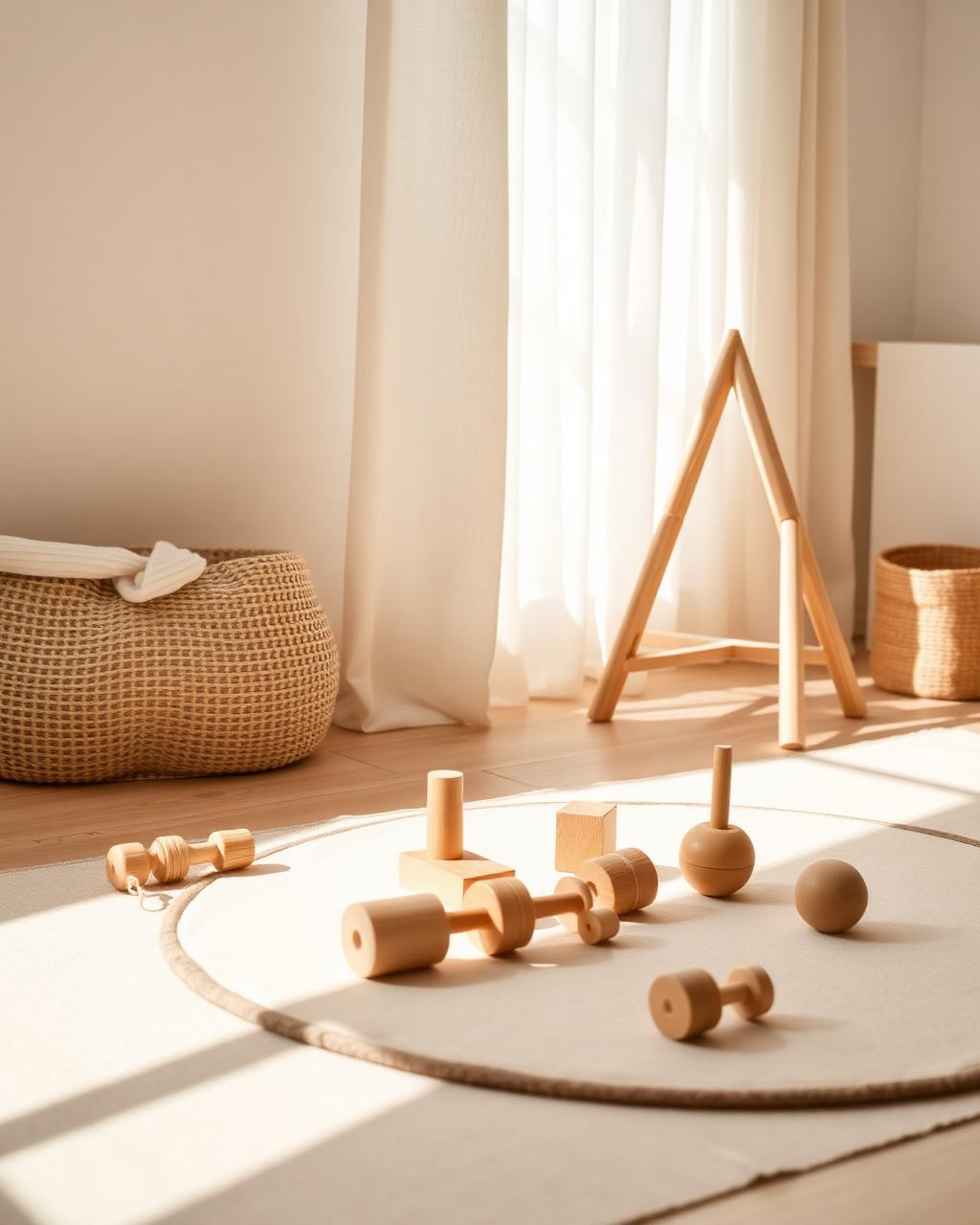
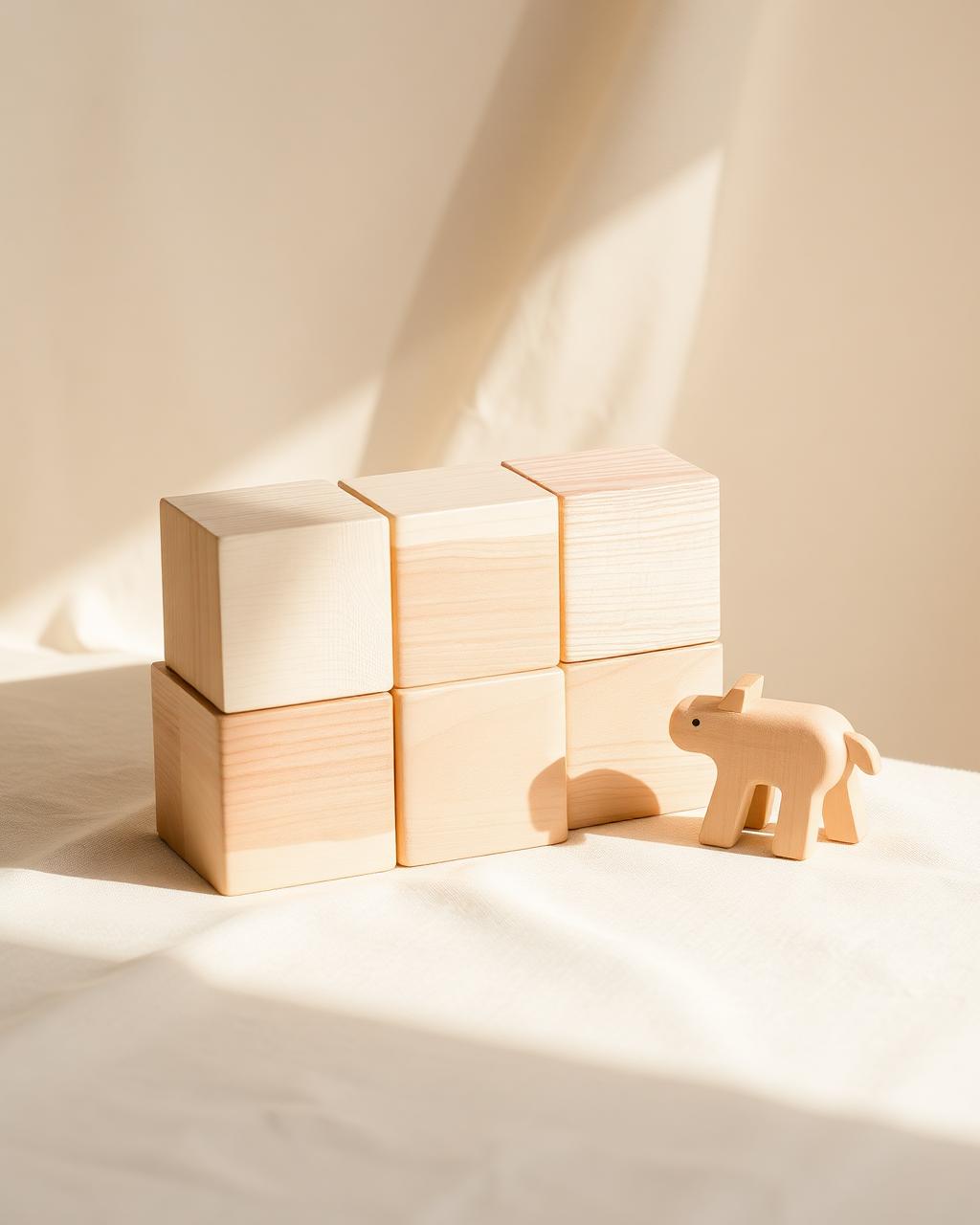
Solid hardwood and FSC-certified wood, finished with water-based, non-toxic stains, are durable enough to be handed down between siblings. Composite woods and small functional plastic components appear in some catalogs — the question is whether they are disclosed honestly.

Why it matters

Open-ended wooden toys invite a wider range of play and quietly counter the sensory overload of bright, single-purpose plastic — without becoming a project for parents to manage.

06 — Material family

Minimalism

Children benefit from thoughtful environments, not simply more products. Fewer, higher-quality items tend to be played with longer, broken less often, and passed down between siblings.

Why it matters

A calmer nursery often has more to do with restraint than with any specific brand. The most useful question is rarely 'what should I buy?' but 'how little do I actually need?'.

The standard

Things We Look For

Materials, certifications, and disclosure patterns that raise or lower our confidence in a nursery product, explained in plain language. The goal is education, not fear.

  • 01

    PVC

    Polyvinyl chloride. A flexible plastic that historically relied on phthalate plasticizers. We avoid it across nursery products, especially anything mouthed or slept on.

  • 02

    Vinyl

    Often a marketing word for PVC. Common in conventional crib mattress covers, changing pads, and bath toys — easy to replace with safer materials.

  • 03

    Polyurethane Foam

    The default core of conventional crib mattresses and changing pads. We prefer steel coils, natural latex, or wool-and-cotton constructions for high-exposure surfaces.

  • 04

    Flame Retardants

    Chemical flame retardants added to foam and textiles to meet flammability standards. Wool and dense organic cotton can meet the same standards through construction, not chemistry.

  • 05

    PFAS

    Per- and polyfluoroalkyl substances used for stain and water resistance in some children's products. Persistent in the environment; we avoid the category.

  • 06

    Phthalates

    Plasticizers used to soften plastics, often paired with PVC. Banned in children's toys in the US and EU, but worth checking on accessories, sleeves, and packaging.

  • 07

    Formaldehyde

    Released by some adhesives, finishes, and composite woods. Look for explicit 'formaldehyde-free' construction or independent emissions certification.

  • 08

    Synthetic Fragrance

    Listed as 'fragrance' or 'parfum.' A single word that can stand in for dozens of undisclosed ingredients — we avoid it in anything that touches infant skin.

  • 09

    Plasticizers

    Additives that make rigid plastics flexible. Even phthalate-free plasticizer systems are worth knowing about in items a child mouths or sleeps against.

  • 10

    Heavy Metals

    Lead, cadmium, and similar contaminants can appear in paints and finishes — credible toy safety testing (EN71, ASTM F963) specifically tests for these.

  • 11

    Water-Based Finishes

    Non-toxic alternatives to solvent-based stains and paints. The standard for any wooden toy or piece of nursery furniture we recommend.

  • 12

    Organic Cotton

    Cotton grown without synthetic pesticides, herbicides, or GMO seeds. GOTS certification covers the entire textile chain, not just the fiber.

  • 13

    Natural Latex

    Harvested from rubber trees and used in mattresses and pacifiers. GOLS-certified organic latex carries a long track record of safe nursery use.

  • 14

    Medical Grade Silicone

    Inert, heat-stable, and well-tolerated. The standard for bottle nipples, pacifiers, and any feeding-related component we recommend.

  • 15

    Glass

    Inert, non-leaching, dishwasher-safe, and recyclable indefinitely. Our preferred material for bottles and storage whenever practical.

  • 16

    FSC Wood

    Wood from forests certified by the Forest Stewardship Council to be responsibly managed. A baseline expectation for any wooden toy or piece of furniture.

  • 17

    GOTS

    Global Organic Textile Standard. Independent certification covering organic fiber production, processing, dyes, and finishing across the textile chain.

  • 18

    GREENGUARD Gold

    Independent certification for low VOC emissions, with stricter limits specifically aimed at products used in homes with children.

  • 19

    MADE SAFE

    Independent third-party certification that screens products against a long list of known hazardous substances. Rigorous and increasingly meaningful in the nursery category.

  • 20

    OEKO-TEX

    Independent testing for harmful substances in textiles. Standard 100 is the most common consumer-facing tier and covers dyes, finishes, and residues.

Approved recommendations

The baby and nursery products we recommend without reservation.

Each of these earned its place through transparent material disclosure, thoughtful construction, glass-or-better packaging where appropriate, independent certification, and a track record of consistent integrity.

Group

Feeding

Glass bottles and medical-grade silicone components built for repeated daily use.

LifeFactory Glass Baby Bottles

Baby & Nursery

LifeFactoryGlass Baby Bottles

Borosilicate glass bottles wrapped in a protective medical-grade silicone sleeve — a durable, low-plastic feeding system designed to be modular and long-lived.

Why we chose it

One of the most consistent glass bottle systems on the market — honest about its small plastic components and built to outlast a single child.

  • Glass
  • Medical Grade Silicone
  • Low Plastic
Philips Avent Natural Glass Bottles

Baby & Nursery

Philips AventNatural Glass Bottles

A widely available tempered-glass bottle that uses the same trusted Avent nipple shape and accessory ecosystem — a practical, low-friction upgrade away from plastic feeding.

Why we chose it

The most accessible glass option in the category — compatible with the pumps, sterilizers, and daycare workflows real families already rely on.

  • Glass
  • Medical Grade Silicone
  • Widely Available

Group

Sleep

Organic crib mattresses built without polyurethane foam, vinyl, or chemical flame retardants.

Naturepedic Organic Crib Mattress

Baby & Nursery

NaturepedicOrganic Crib Mattress

A GOTS-certified organic cotton crib mattress over a steel coil core with a food-grade waterproof surface — no polyurethane foam, vinyl, or chemical flame retardants.

Why we chose it

One of the most rigorously certified crib mattresses in the United States, with transparent disclosure across every layer of the build.

  • GOTS
  • GREENGUARD Gold
  • MADE SAFE
Avocado Organic Crib Mattress

Baby & Nursery

AvocadoOrganic Crib Mattress

A luxury organic crib mattress built from GOTS organic cotton, GOTS organic wool, and GOLS-certified natural latex — flame-resistant by construction, not chemistry.

Why we chose it

Holds essentially every meaningful certification available to a crib mattress — a long-term nursery investment built around natural latex and wool.

  • GOTS
  • GOLS
  • Natural Latex
My Green Mattress Emily Organic Crib Mattress

Baby & Nursery

My Green MattressEmily Organic Crib Mattress

A family-owned, GOTS and GREENGUARD Gold certified organic innerspring crib mattress, hand-built in Illinois — accessible pricing without compromising on certified materials.

Why we chose it

The same certified material categories used by premium organic brands, at a meaningfully more accessible price — from a genuinely small family-owned maker.

  • GOTS
  • GREENGUARD Gold
  • Family Owned

Group

Play

Wooden and developmentally thoughtful toys built around fewer, longer-lived materials.

Lovevery The Play Kits

Baby & Nursery

LoveveryThe Play Kits

Stage-based developmental play kits built around child development research, Montessori-inspired design, and a deliberate philosophy of fewer, more intentional toys.

Why we chose it

The clearest expression in the toy market of a less-is-more philosophy — transparent about materials, including the few places plastic is used.

  • Montessori
  • FSC
  • Open Ended Play
PlanToys Sustainably Sourced Wooden Toys

Baby & Nursery

PlanToysSustainably Sourced Wooden Toys

Wooden toys made from reclaimed rubberwood, finished with water-based dyes and natural pigments — built around a sustainability philosophy that has stayed consistent since 1981.

Why we chose it

One of the longest-running sustainability stories in the wooden toy industry, with honest disclosure about which products use solid wood versus composite.

  • Sustainably Sourced Wood
  • Water Based Finishes
  • FSC
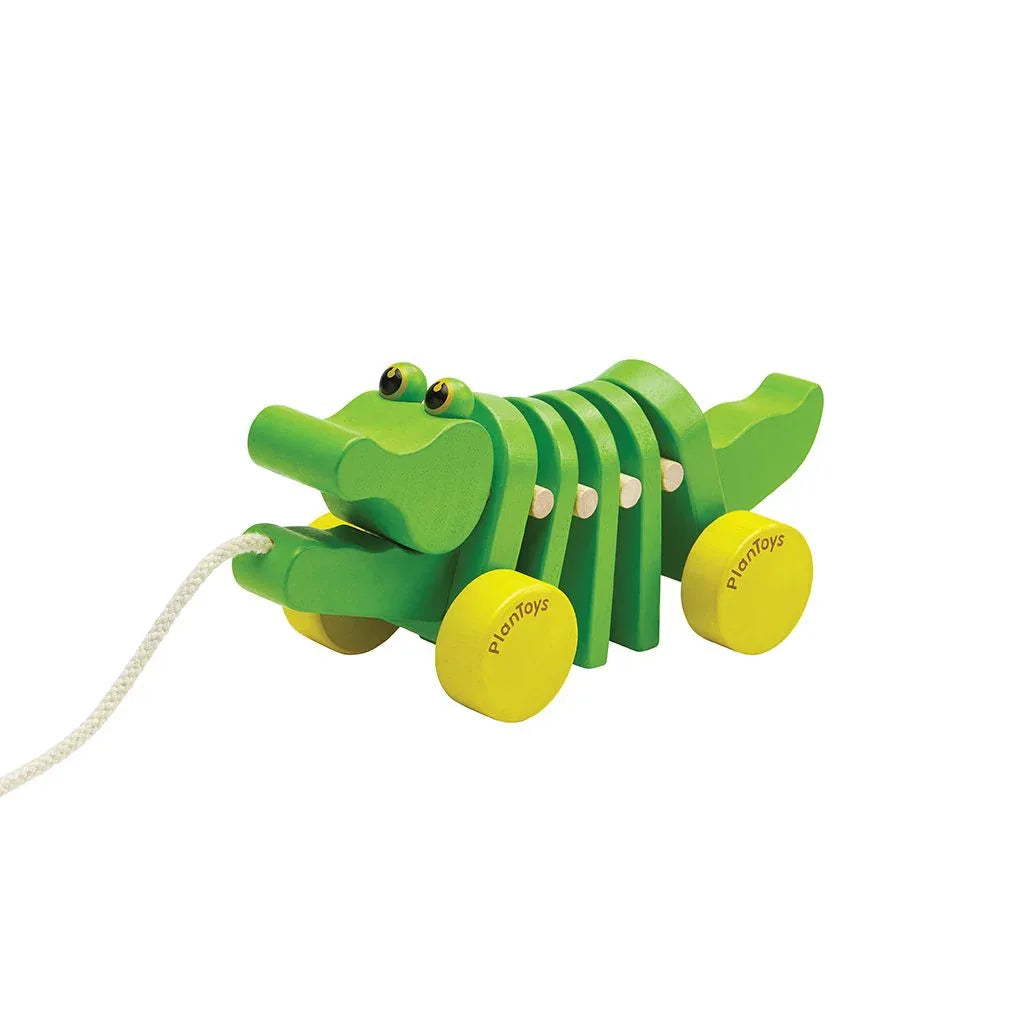
PlanToys Wooden Dancing Alligator

Baby & Nursery

PlanToysWooden Dancing Alligator

A sustainably crafted wooden pull toy designed to encourage movement, coordination, and imaginative play without batteries or electronic stimulation.

Why we chose it

An heirloom-quality wooden toy from one of the world's most respected sustainable toy makers, built from chemical-free rubberwood and finished with water-based, non-toxic pigments.

  • SUSTAINABLY MADE
  • WOODEN
  • OPEN-ENDED PLAY
Grimm's Heirloom Wooden Stacking Toys

Baby & Nursery

Grimm'sHeirloom Wooden Stacking Toys

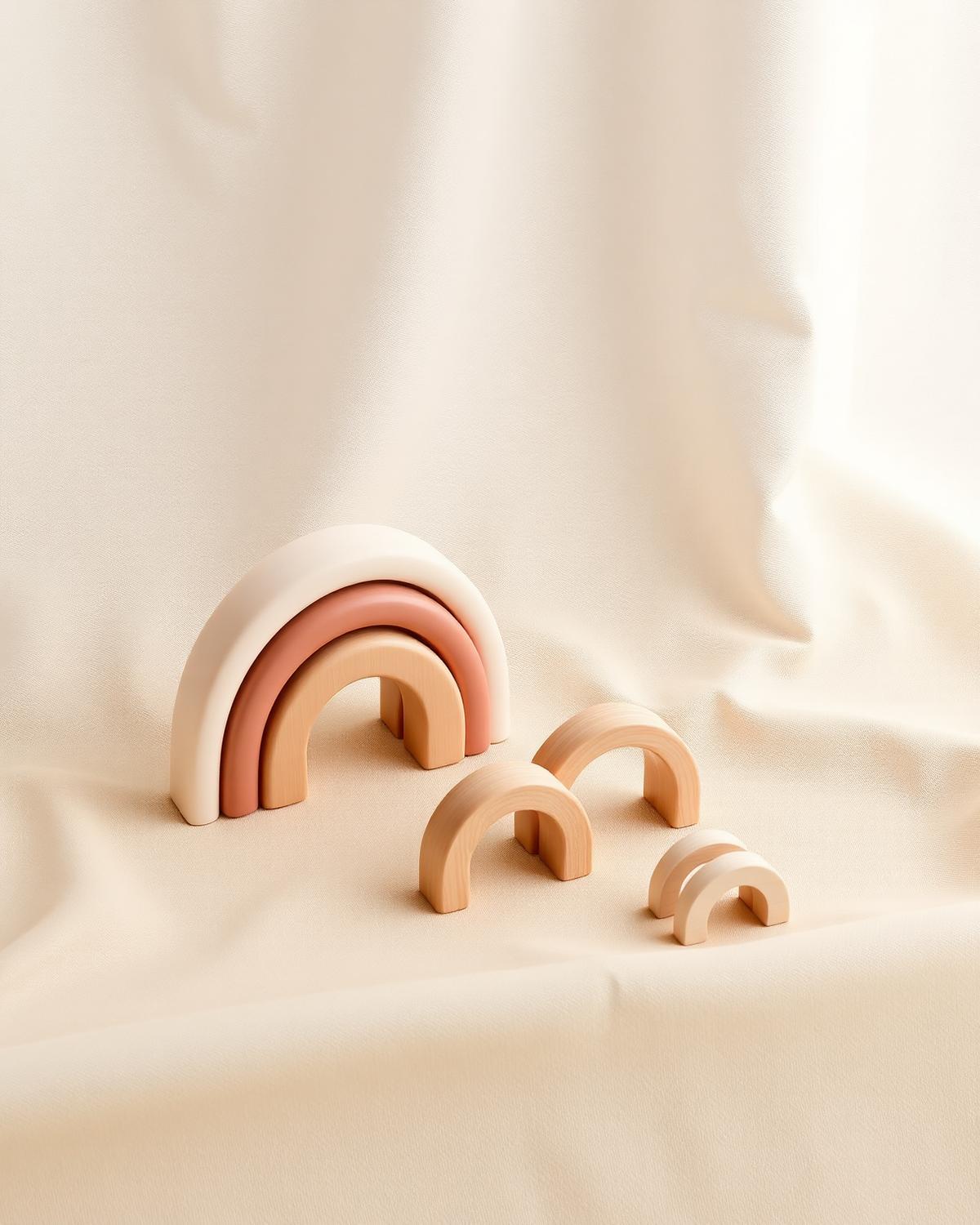
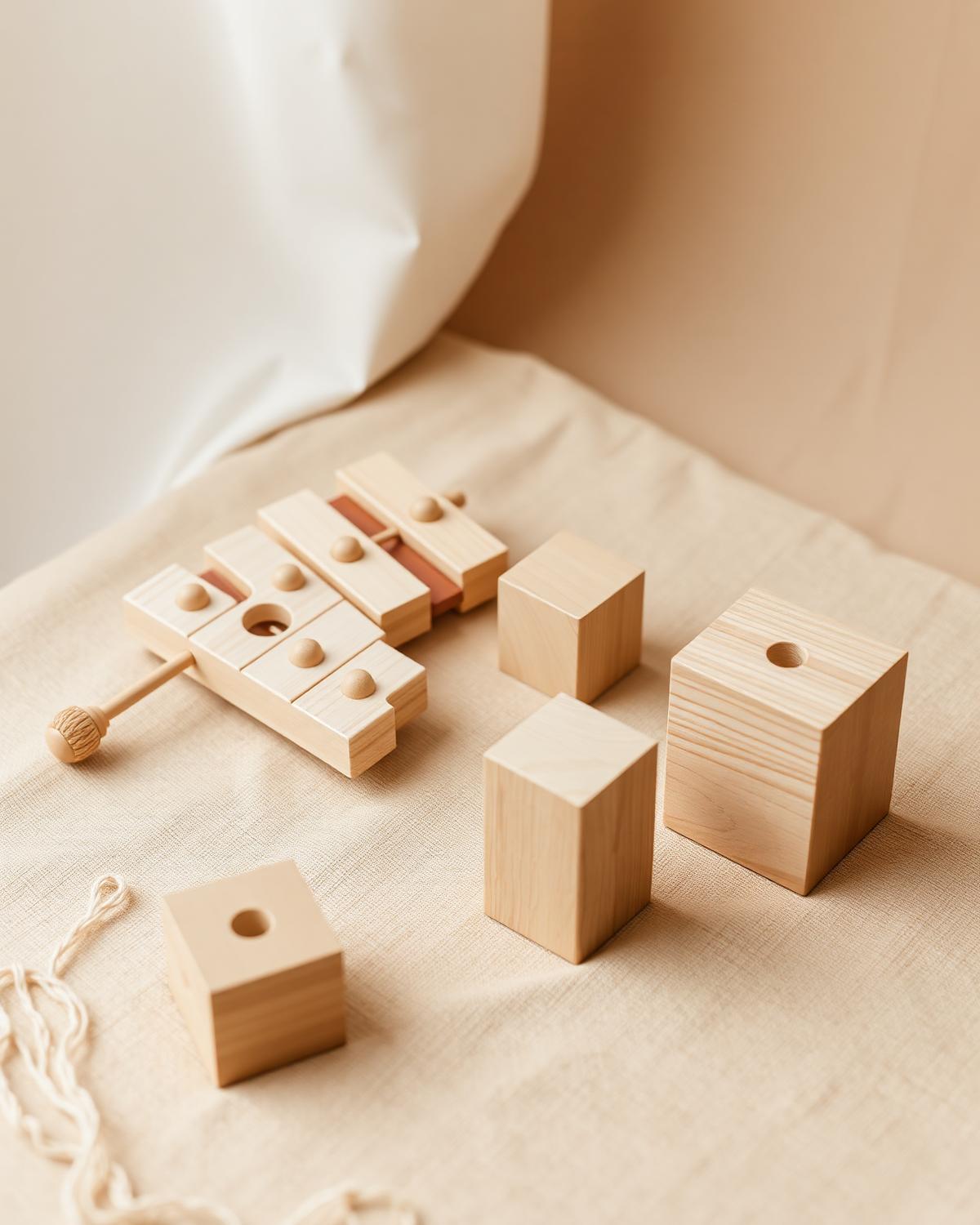
Solid lime-wood, Waldorf-inspired stacking and building toys finished with water-based stains and plant oils — handmade in small batches in Germany.

Why we chose it

Among the purest material stories in the wooden toy category — solid hardwood, natural finishes, designed to be handed down between siblings.

  • Solid Hardwood
  • Heirloom Quality
  • Open Ended Play
Hape Wooden Toys

Baby & Nursery

HapeWooden Toys

An accessibly priced range of well-made wooden toys with credible independent safety testing — a thoughtful entry point into the wooden toy category on real budgets.

Why we chose it

Closes the gap between mass-market plastic and heirloom wooden toys, with water-based finishes and credible safety practices across the catalog.

  • Sustainably Sourced Wood
  • Water Based Finishes
  • Family Safe

Group

Clothing

Organic cotton clothing chosen for soft hand-feel, simple silhouettes, and certified materials.

Colored Organics Organic Cotton Baby Clothing

Baby & Nursery

Colored OrganicsOrganic Cotton Baby Clothing

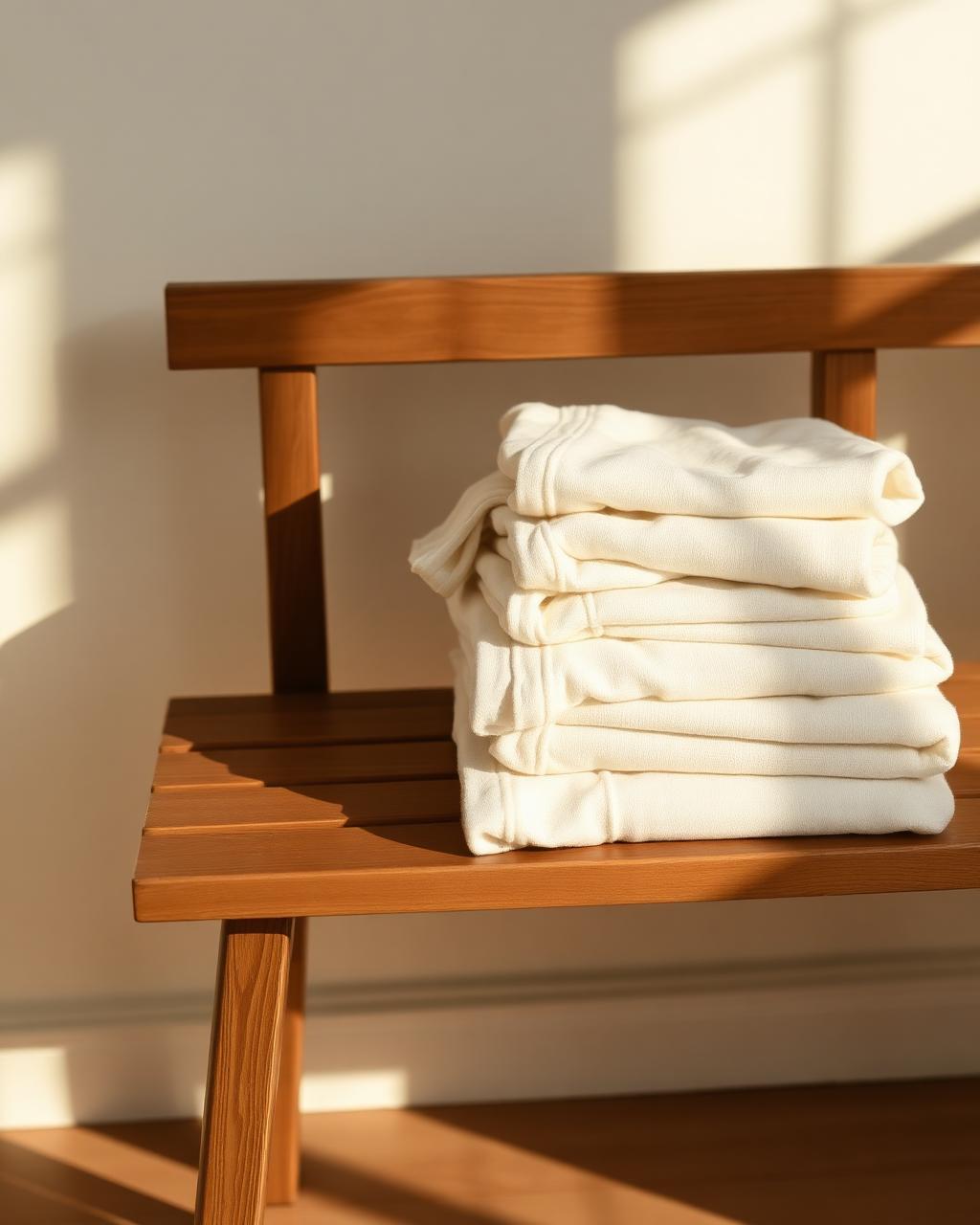
GOTS-certified organic cotton baby and toddler clothing built around simple silhouettes, soft hand-feel, and a family-focused company philosophy.

Why we chose it

Holds both GOTS and OEKO-TEX certifications across the organic cotton line — simple, hand-me-down-friendly clothing made for everyday wear.

  • GOTS
  • OEKO-TEX
  • Organic Cotton

Editorial note

Products That Didn’t Make the Cut

Most of the baby products we evaluated and set aside shared one or more of the same patterns: polyurethane foam in mattresses, vinyl in changing pads and bath toys, undisclosed synthetic fragrance in lotions and wipes, plastic feeding systems sold alongside glass without explanation, and constantly reshuffled catalogs designed around marketing cycles rather than long-term material integrity.

Our intent here is education, not criticism. Formulations, materials, and ownership change, and our standards may evolve with them. Products not appearing in this directory today do not mean they cannot earn a place tomorrow.

What we ask of every nursery product is the same: tell us what it is made of, tell us who made it, build it well enough to outlast a single child, and design it around long-term family wellbeing rather than short-term marketing claims.

Our philosophy

Education first. Recommendations second.

The Baby & Nursery section is meant to read like a field guide, not a catalog. Our hope is that you leave understanding why materials matter more than marketing, why organic certifications matter, the difference between glass and plastic feeding systems, why nursery products deserve long-term thinking, and how to evaluate baby products independently of the industry around them.