Non-toxic directory

Cookware & Bakeware

Thoughtfully selected cookware chosen for safer materials, long-term durability, timeless craftsmanship, and healthier everyday cooking.

Editorial

Part of every meal.

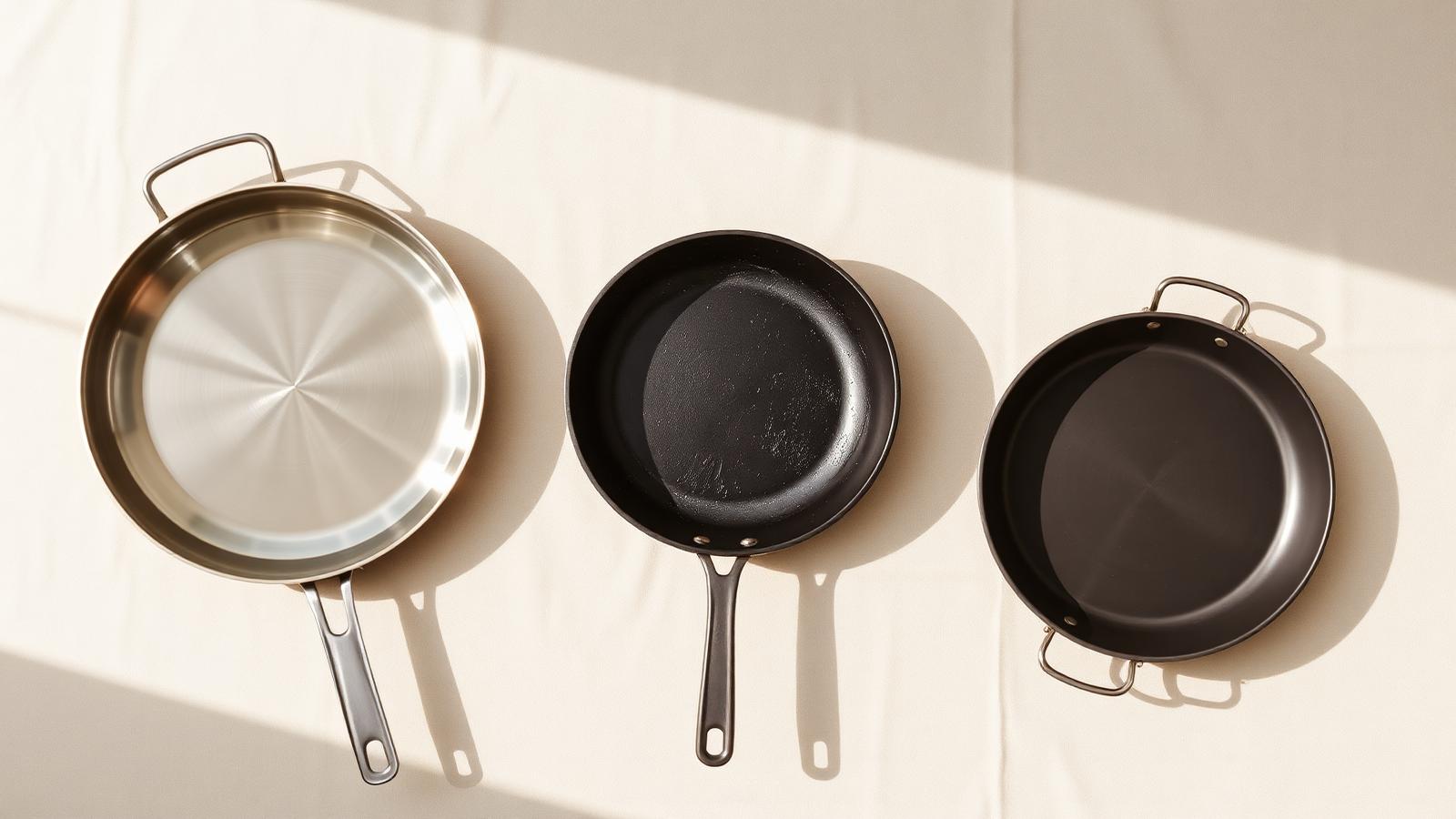
The cookware we use every day quietly becomes part of every meal we prepare.

Yet many modern pans rely on synthetic non-stick coatings, chemical treatments, and short product lifespans that encourage constant replacement.

Rather than recommending what is most popular, we evaluated cookware based on material safety, manufacturing quality, durability, repairability, transparency, and long-term trust.

Only a small number of products earned a place in this directory.

A closer look

How to Read Cookware

A handful of materials cover nearly every honest pan ever made — understanding what they actually are makes it far easier to evaluate any cookware on its own merits.

01 — Material

Cast Iron

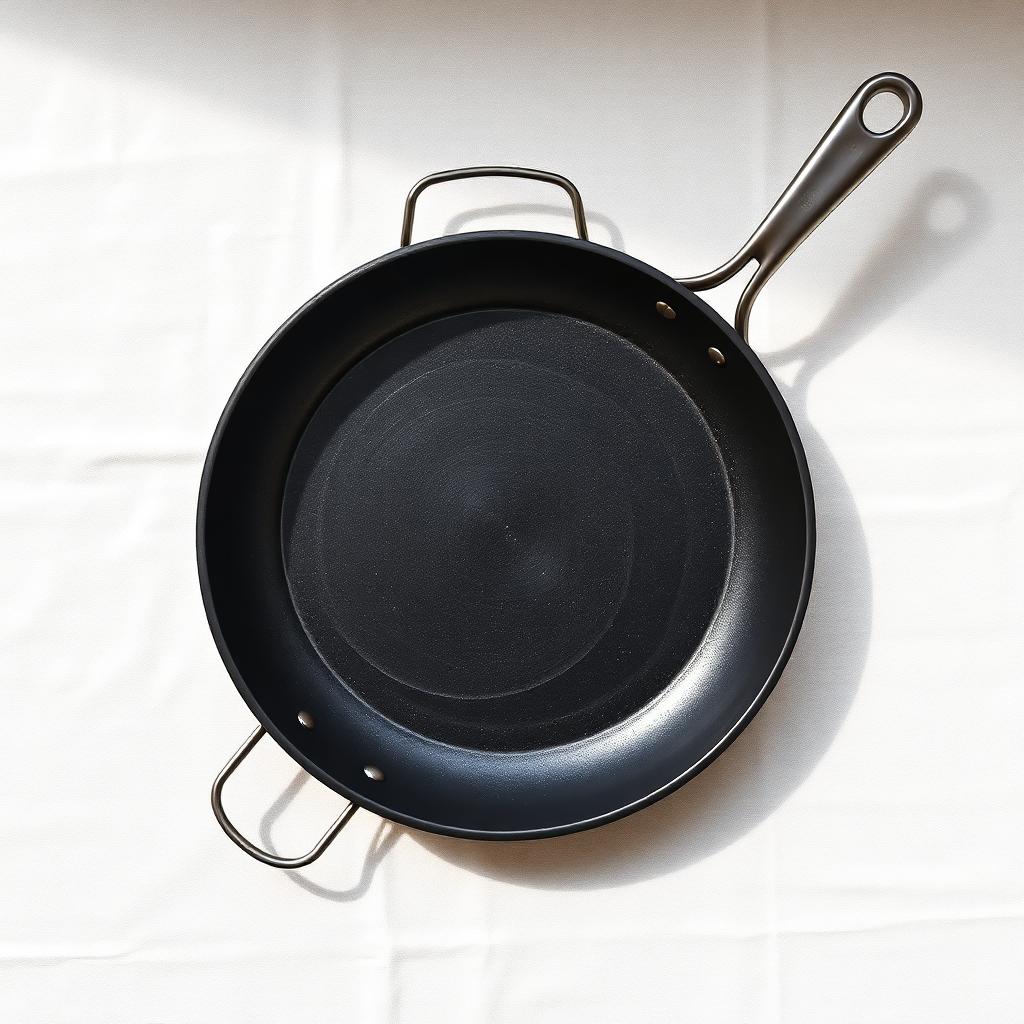
Iron poured into sand molds and finished to a slightly textured surface. Seasoning — thin layers of oil baked onto the surface — polymerizes into a naturally non-stick layer that improves with every use.

Why it matters

Bare iron with a natural seasoning is one of the simplest and most-studied cookware materials. It outlasts almost everything else in the kitchen and improves with age.

02 — Material

Carbon Steel

A close relative of cast iron: roughly 99% iron and 1% carbon, forged from a single sheet rather than cast. Lighter, more responsive, and the standard in professional kitchens.

Why it matters

Carries the same natural seasoning chemistry as cast iron without the weight. Heats faster and responds more quickly to temperature changes on the stovetop.

03 — Material

Stainless Steel

Examples

  • 18/10
  • 18/8
  • 304
  • 316
  • Multi-ply / Cladded

Steel alloyed with chromium and nickel for corrosion resistance. 18/10 (also written 304) contains 18% chromium and 10% nickel. 316 adds molybdenum for extra resistance. Multi-ply cookware bonds stainless layers around an aluminum or copper core.

Why it matters

Quality stainless is chemically stable, well-studied, and free of synthetic coatings. Cladded construction adds the responsiveness of aluminum without putting reactive metal in contact with food.

04 — Material

Enameled Cast Iron

Cast iron coated with vitreous glass enamel fused at high temperature. The enamel is non-reactive and requires no seasoning. The cast iron core retains heat the way bare cast iron does.

Why it matters

Combines the heat retention of cast iron with a non-reactive surface for braising, acidic sauces, and bread baking. Interior chips warrant retirement; cosmetic chips on rims and exteriors do not.

05 — Material

Pure Ceramic

100% ceramic cookware is solid ceramic clay throughout — no metal core. Ceramic-coated cookware is a metal pan (usually aluminum) sprayed with a ceramic-style coating that wears off over time.

Why it matters

The two are often marketed under the same word but are fundamentally different products. Pure ceramic lasts indefinitely with care; coatings degrade and need replacement every few years.

06 — Material

Heat Conductivity

Examples

  • Copper
  • Aluminum
  • Cast Iron
  • Carbon Steel
  • Stainless

Copper and aluminum conduct heat fastest and most evenly. Cast iron and carbon steel conduct slowly but retain heat exceptionally well. Stainless steel is a relatively poor conductor — which is why quality stainless cookware bonds it around an aluminum or copper core.

Why it matters

Material choice determines how a pan cooks. There is no single best metal — the right tool depends on whether you need fast response, deep heat retention, or non-reactive chemistry.

The standard

Things We Look For

Materials, coatings, and construction patterns that raise or lower our confidence in a piece of cookware, explained in plain language. The goal is education, not fear.

  • 01

    PFAS

    Per- and polyfluoroalkyl substances — a class of synthetic fluorinated chemicals used historically in non-stick cookware. We avoid PFAS on all cooking surfaces.

  • 02

    PFOA

    Perfluorooctanoic acid — a specific PFAS phased out of consumer cookware but historically used in non-stick manufacturing. Newer replacements are not necessarily safer.

  • 03

    PTFE

    Polytetrafluoroethylene — the synthetic polymer marketed as Teflon. Generally stable below 500°F but degrades at higher temperatures.

  • 04

    Teflon

    A brand name for PTFE-based non-stick coatings. We avoid synthetic non-stick coatings in favor of natural seasoning, bare stainless, or pure ceramic.

  • 05

    Ceramic Coatings

    Spray-on ceramic-style coatings over aluminum pans. Often free of PFAS, but the coating itself wears off over a few years, returning the cook to a degrading surface.

  • 06

    Natural Seasoning

    Layers of polymerized oil baked onto cast iron or carbon steel — chemically distinct from synthetic non-stick coatings and improves with use.

  • 07

    Bare Cast Iron

    Cast iron with no coating of any kind — relies on natural seasoning for non-stick performance. A material we trust completely.

  • 08

    Carbon Steel Patina

    The dark layer that builds on a carbon steel pan with use. Same chemistry as cast iron seasoning, developed faster because of the thinner metal.

  • 09

    18/10 Stainless

    Stainless containing 18% chromium and 10% nickel — the long-standing reference for cookware-grade stainless. Chemically stable, corrosion resistant, no coatings.

  • 10

    Nickel

    Present at roughly 10% in 18/10 stainless. Stable in normal cooking; those with diagnosed nickel allergies sometimes prefer carbon steel or cast iron.

  • 11

    Aluminum Core

    Pure aluminum bonded between stainless layers in cladded cookware. Never contacts food; does the work of distributing heat evenly across the pan.

  • 12

    Lead-Free Enamel

    Modern enameled cast iron from reputable producers is independently verified lead-free. A meaningful distinction from vintage or import enamelware.

  • 13

    Cadmium Testing

    Cadmium is a heavy metal historically used in some red, orange, and yellow enamel pigments. Reputable manufacturers now publish lead and cadmium test results.

  • 14

    Heavy Metal Testing

    Third-party laboratory testing for lead, cadmium, and related metals. We give meaningful weight to brands that publish results publicly.

  • 15

    Lifetime Construction

    Cookware designed without a part intended to wear out — no coating to fail, no plastic to degrade, no rivets to loosen.

  • 16

    Repairability

    The ability to re-season cast iron, re-tin copper, replace lids and knobs, or have a manufacturer warranty repair the original pan.

  • 17

    Country of Manufacture

    Where and how cookware is made. We prefer brands that disclose the specific foundry or factory rather than the country alone.

Approved recommendations

The cookware we recommend without reservation.

Each of these earned its place through honest material construction, transparent manufacturing, no synthetic coatings on the cooking surface, and a track record of decades-long durability.

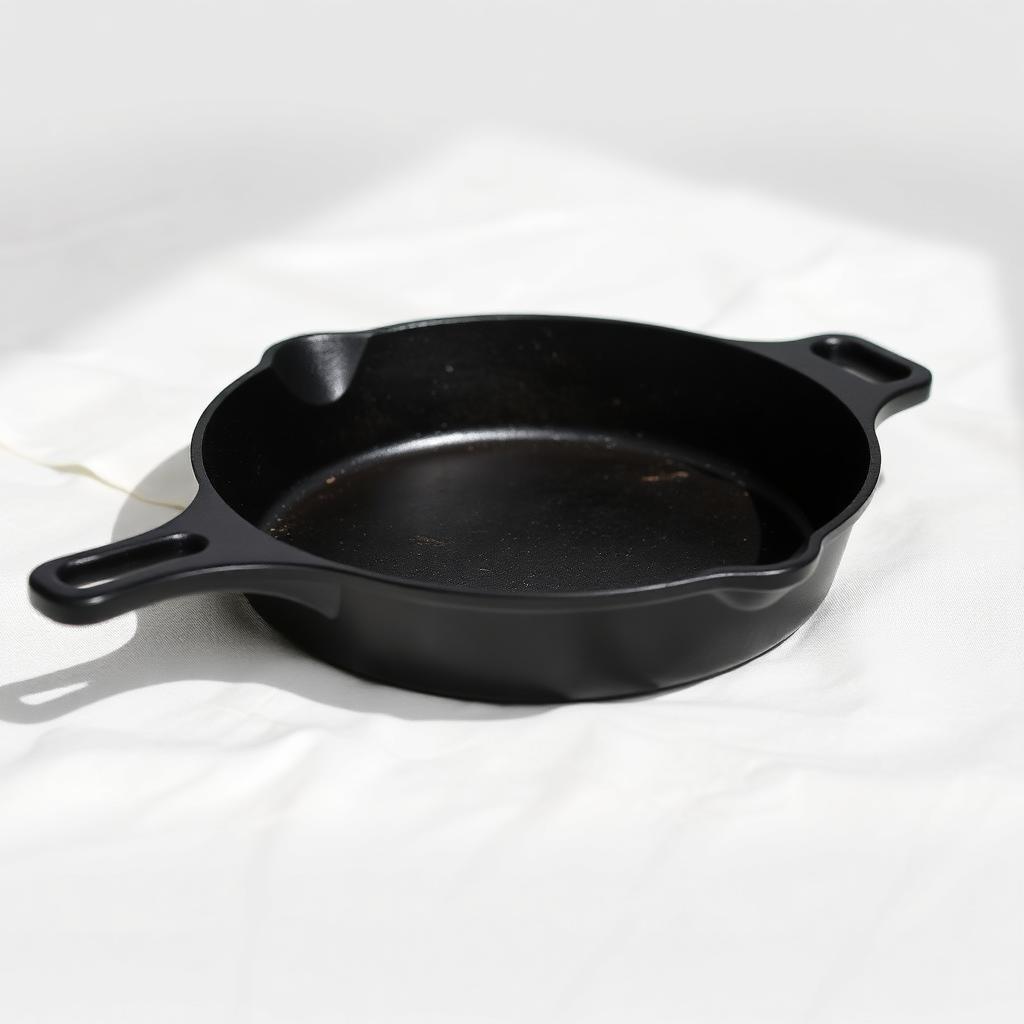
Lodge Cast Iron Skillet

Cookware & Bakeware

LodgeCast Iron Skillet

An American-made bare cast iron skillet — pre-seasoned with vegetable oil, free of synthetic coatings, and built to last generations with simple care.

Why we chose it

More than a century of continuous American manufacturing, bare iron construction with a vegetable-oil seasoning, and a price point that makes lifetime cookware accessible.

  • Cast Iron
  • Naturally Seasoned
  • Heirloom Quality
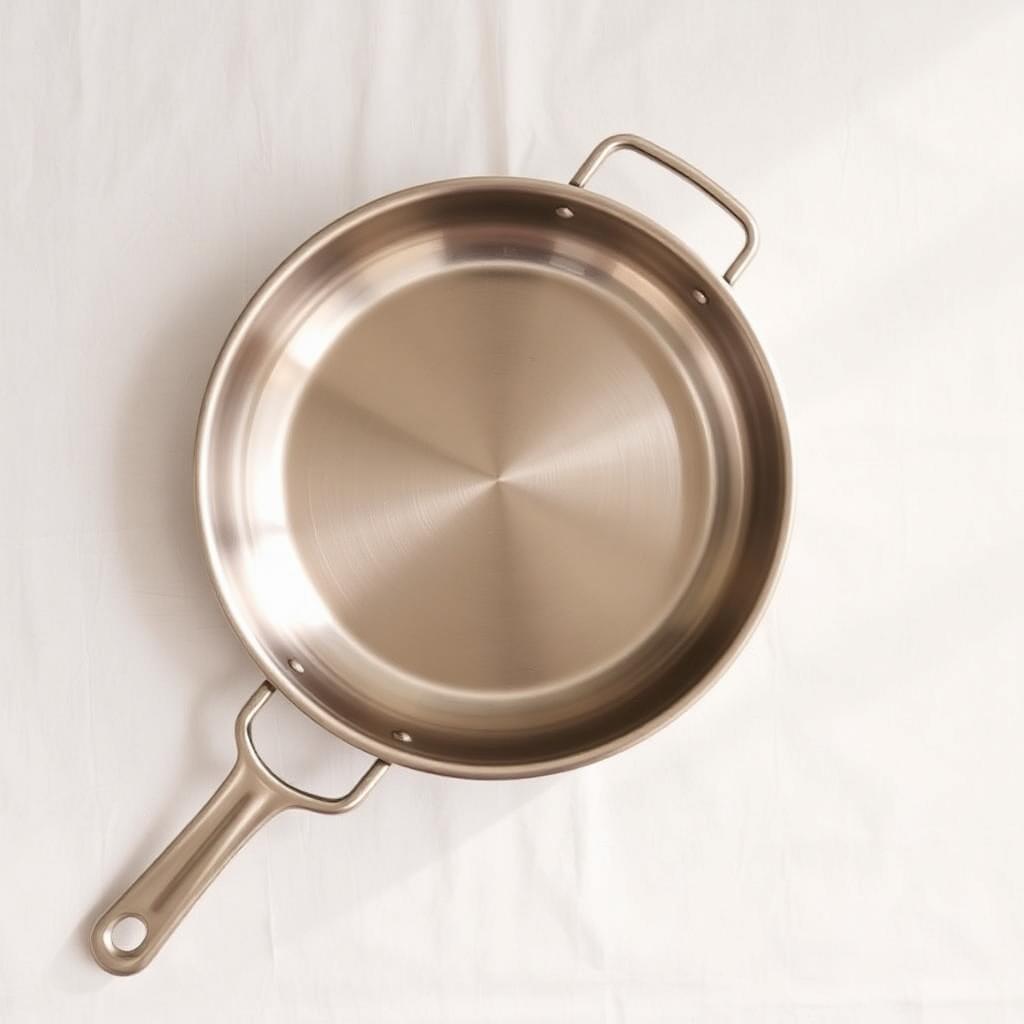
All-Clad D3 Stainless Steel Fry Pan

Cookware & Bakeware

All-CladD3 Stainless Steel Fry Pan

A bonded tri-ply fry pan with an 18/10 stainless cooking surface and an aluminum core — manufactured in Pennsylvania for excellent responsiveness and decades of service.

Why we chose it

Bare 18/10 stainless cooking surface, bonded American construction, and a lifetime warranty backed by a company that has been producing the same cookware for decades.

  • 18/10 Stainless
  • Aluminum Core
  • Lifetime Warranty
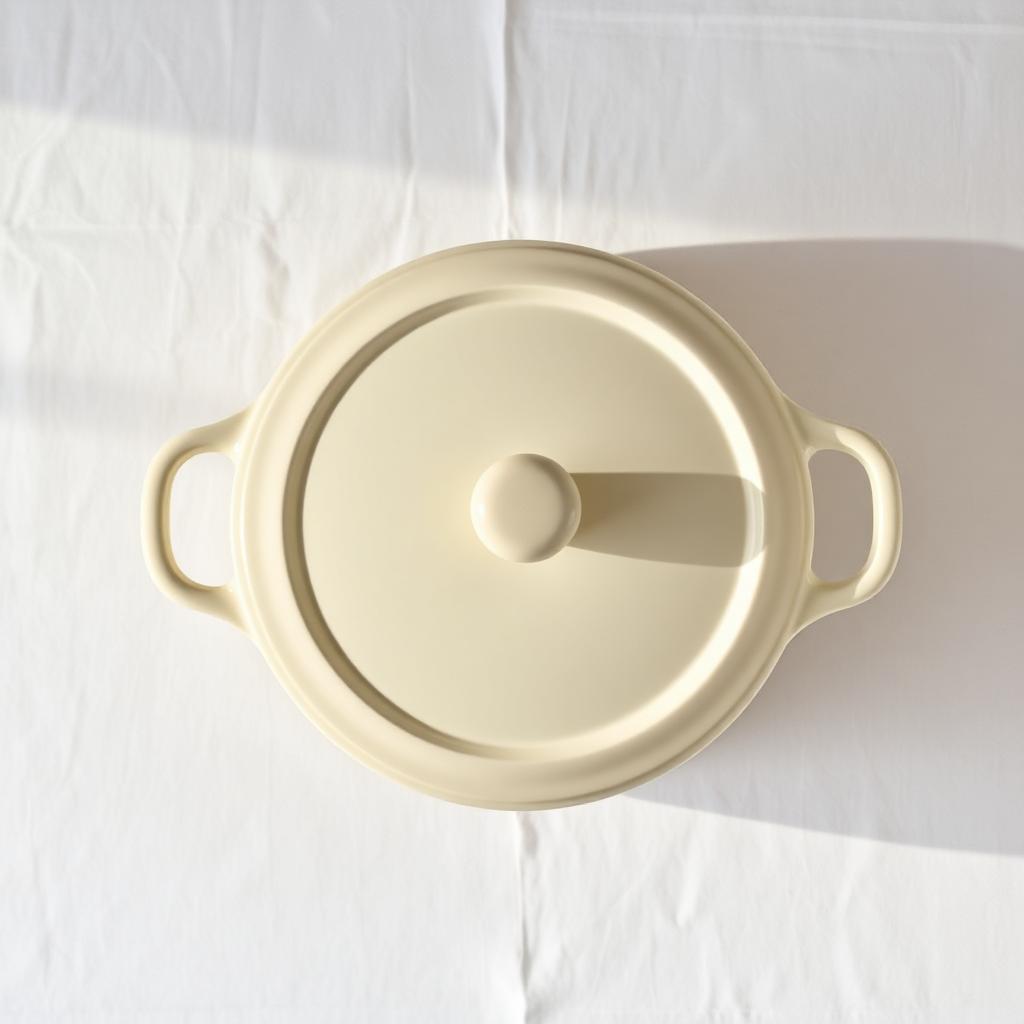
Le Creuset Signature Enameled Cast Iron Dutch Oven

Cookware & Bakeware

Le CreusetSignature Enameled Cast Iron Dutch Oven

A French-made enameled cast iron Dutch oven — vitreous glass enamel fused over cast iron, no seasoning required, and durable for generations of braising and bread baking.

Why we chose it

Lead-free, cadmium-free vitreous glass enamel over cast iron, cast in France since 1925, and routinely passed down between generations.

  • Enameled Cast Iron
  • Lead Free
  • Heirloom Quality
Made In Carbon Steel Frying Pan

Cookware & Bakeware

Made InCarbon Steel Frying Pan

A French-made blue carbon steel frying pan — naturally seasoned through use, lighter and more responsive than cast iron, and the standard in professional kitchens worldwide.

Why we chose it

Bare carbon steel forged in France, naturally seasoned through use, and lighter than cast iron without compromising on material safety.

  • Carbon Steel
  • Naturally Seasoned
  • Chef Favorite
Xtrema Pure Ceramic Cookware

Cookware & Bakeware

XtremaPure Ceramic Cookware

100% pure ceramic cookware — no metal core, no synthetic coating, no glaze on the cooking surface. Independently tested for heavy metals and built for low-to-medium-heat cooking.

Why we chose it

Genuinely 100% ceramic construction in a market saturated with ceramic-coated metal pans, with publicly published third-party heavy-metal testing.

  • Pure Ceramic
  • No Metal Core
  • Third-Party Tested

Editorial note

Products That Didn’t Make the Cut

Most of the cookware we evaluated and ultimately set aside shared one or more of the same patterns: synthetic non-stick coatings, ceramic-style sprays over aluminum, undisclosed manufacturing locations, missing heavy-metal testing, and construction designed around eventual replacement rather than lifetime use.

Our intent here is education, not criticism. Companies and constructions change, and our standards may evolve with them. Cookware not appearing in this directory today does not mean it cannot earn a place tomorrow.

What we ask of every pan is the same: tell us what it is made of, tell us where and how it was made, and build it well enough to outlast the cook who buys it.

Our philosophy

Education first. Recommendations second.

The Cookware & Bakeware section is meant to read like a field guide, not a catalog. Our hope is that you leave understanding why cast iron naturally becomes non-stick, the difference between carbon steel and cast iron, why stainless quality matters, why “ceramic” cookware is not always 100% ceramic, what PFAS and PTFE actually are, and why cookware should be viewed as a decades-long investment rather than a disposable purchase.