Non-toxic directory

Water

A curated editorial field guide to household water filtration — chosen for independent certification, transparent media, and long-term trust rather than marketing claims.

Editorial

Choosing a water filter is harder than it should be.

Clean water is one of the simplest investments a household can make — yet choosing a filtration system has become surprisingly complicated.

Marketing claims often sound impressive, but independent testing tells a very different story. Many filters reduce chlorine and improve taste, but quietly leave lead, PFAS, microplastics, and other emerging contaminants untouched.

Rather than recommending the most popular filters, we researched certifications, laboratory performance, filtration media, material safety, manufacturing transparency, and long-term trustworthiness.

Only a small number of products met the Modern Holistic Living Standard.

A closer look

How to Read Water Filter Claims

Filtration marketing can sound interchangeable. Understanding a few key terms — and what they actually verify — makes it possible to evaluate a product on its own merits rather than its packaging.

01 — Concept

NSF Certifications

Examples

  • NSF 42
  • NSF 53
  • NSF 58
  • NSF 401
  • NSF 372

NSF / ANSI standards are independent benchmarks that filters can be tested against. 42 covers aesthetic effects like chlorine, 53 covers health-related contaminants such as lead and chromium-6, 58 is the dedicated reverse osmosis performance standard, 401 covers emerging contaminants including pharmaceuticals, and 372 verifies lead-free material compliance.

Why it matters

An NSF claim is only meaningful when the specific standard is named. Marketing language like “meets NSF standards” without a number tells you almost nothing about what was actually tested.

02 — Concept

Activated Carbon

The most common filtration media in household pitchers and shower filters. Activated carbon adsorbs chlorine, organic compounds, and many taste / odor contaminants by binding them to its enormous internal surface area.

Why it matters

Carbon alone does not meaningfully reduce dissolved heavy metals, PFAS, fluoride, or microbiological contaminants. Pitchers built around carbon only are a starting point, not a complete solution.

03 — Concept

Reverse Osmosis

A multi-stage process that pushes water through a semi-permeable membrane with extremely fine pores. The membrane blocks dissolved solids, heavy metals, fluoride, PFAS, and most contaminants while letting water molecules through.

Why it matters

Reverse osmosis remains the most comprehensive household filtration technology available. When paired with proper pre- and post-filtration, it consistently produces the cleanest tap water of any consumer system.

04 — Concept

Ion Exchange

Examples

  • Lead
  • PFAS
  • Heavy metals
  • TDS

Ion exchange resins swap dissolved contaminant ions in water for harmless ones, typically sodium or hydrogen. This is the mechanism behind verified lead reduction and dramatic TDS drops in pitchers like ZeroWater.

Why it matters

Ion exchange complements carbon. A pitcher that combines both can reach contaminant reductions a carbon-only filter cannot.

05 — Concept

Microplastics

Microplastics are an emerging contaminant, and meaningful reduction requires a filter whose pores are physically small enough to capture sub-micron particles — and whose performance is documented against a specific protocol.

Why it matters

Generic claims like “removes microplastics” mean little. We prefer products that publish particle-size testing or are tested against recognized microbiological standards.

06 — Concept

Proprietary Media

Some brands describe their filtration as a “proprietary blend” without identifying the specific media or technologies inside. This can be legitimate intellectual property — or it can be a way to obscure a thinner formulation.

Why it matters

Ingredient transparency matters in filtration just as much as it matters in food or skincare. We give the most weight to brands that disclose their media and back claims with independent lab data.

The standard

Things We Look For

Common compromises that lower our confidence in a water filter, explained in plain language.

  • 01

    Undisclosed filter media

    Vague “proprietary blend” language without disclosed media or supporting test data.

  • 02

    No NSF certification

    Marketing claims that mention NSF without naming a specific standard or test number.

  • 03

    Limited contaminant testing

    Reduction claims that cover only chlorine and taste, with no published data for lead, PFAS, or heavy metals.

  • 04

    Plastic-heavy construction

    Housings, reservoirs, and replacement parts built primarily from low-grade plastics with no end-of-life plan.

  • 05

    Unclear replacement schedules

    Filter lifespan is not published in gallons or months, making it impossible to know when performance degrades.

  • 06

    Weak PFAS performance

    PFAS is one of the most pressing contemporary contaminants. Filters that ignore it are working from an outdated standard.

  • 07

    Chlorine-only filtration

    A meaningful improvement over an unfiltered tap, but not a substitute for filtration that addresses health-related contaminants.

  • 08

    Overly broad marketing claims

    Language like “removes 99% of contaminants” without naming which contaminants were tested or to which protocol.

Countertop purification

Reverse osmosis without the plumbing.

The most comprehensive household filtration technology, in formats that sit on the counter and require no installation.

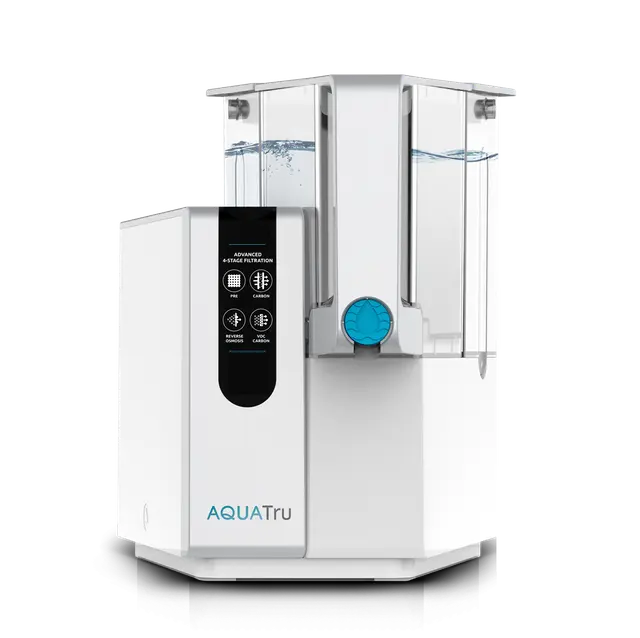
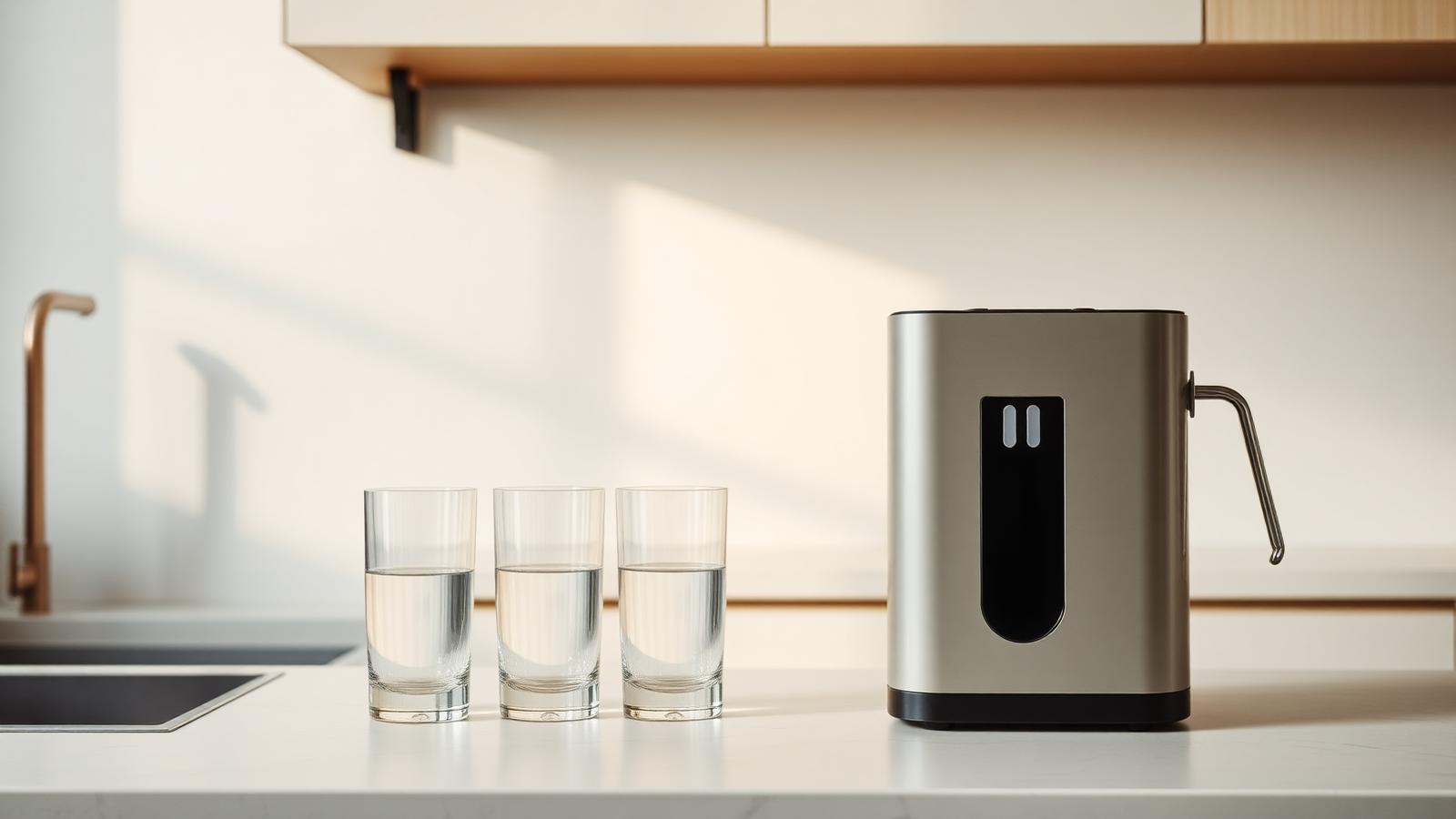
AquaTru Countertop Reverse Osmosis System

Water

AquaTruCountertop Reverse Osmosis System

A four-stage countertop reverse osmosis system NSF certified across five separate standards.

Why we chose it

Independently NSF certified for more than 80 contaminants, with reverse osmosis performance in a no-plumbing format.

  • NSF 42/53/58/401/372
  • Reverse Osmosis
  • No Plumbing
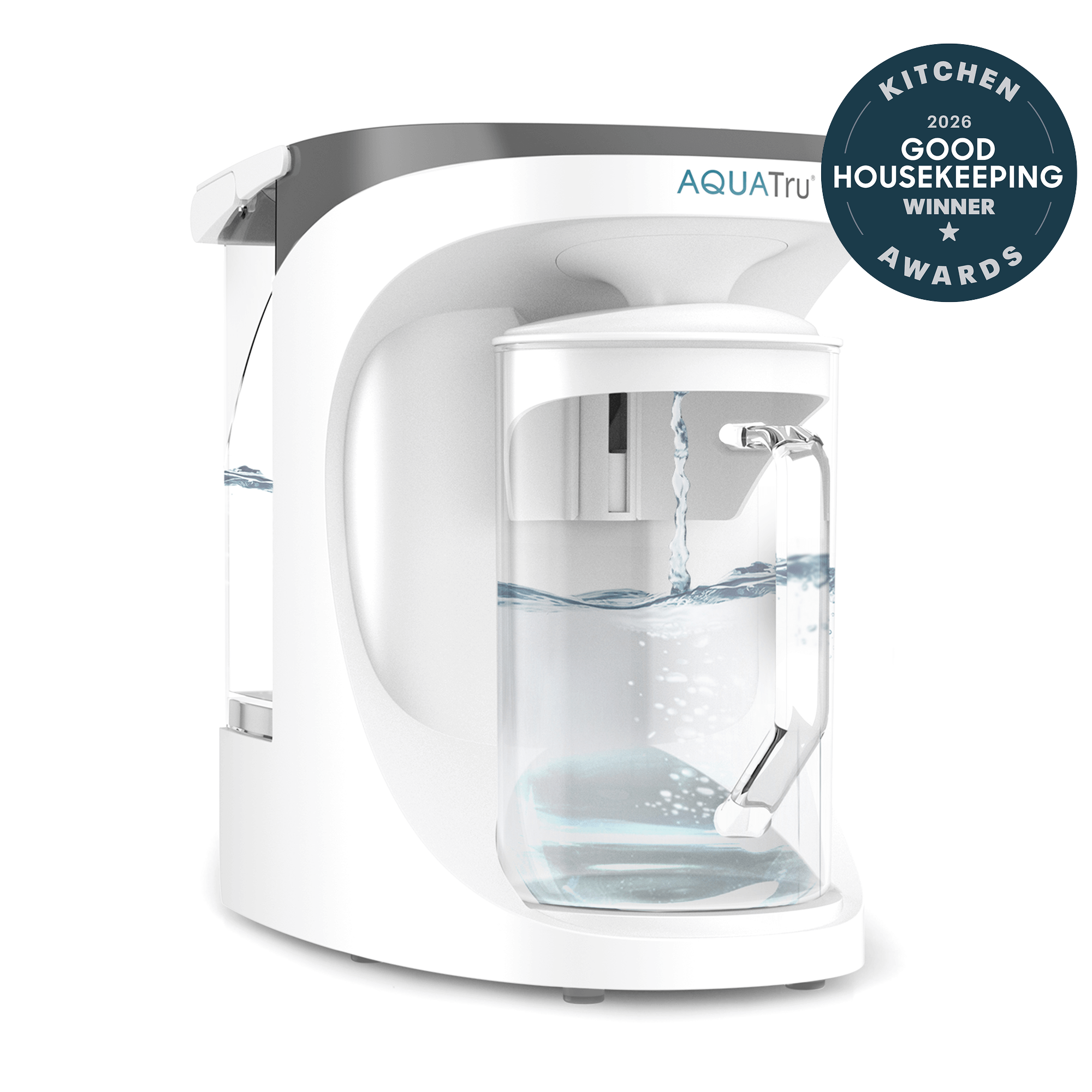
AquaTru Carafe

Water

AquaTruCarafe

A compact countertop reverse osmosis carafe with multi-standard NSF certification.

Why we chose it

Reverse osmosis filtration in a small, glass-finished format for households without space for the full system.

  • NSF Certified
  • Reverse Osmosis
  • Compact

Pitcher filtration

Independently tested pitchers.

Every pitcher in this section publishes laboratory data and carries certification beyond chlorine reduction alone.

Clearly Filtered No. 1 Filtered Water Pitcher

Water

Clearly FilteredNo. 1 Filtered Water Pitcher

An Affinity-based pitcher tested against more than 365 contaminants by independent EPA-accredited laboratories.

Why we chose it

Exceptional transparency, broad contaminant coverage including PFAS, fluoride, and microplastics, and published lab reports.

  • 365+ Tested
  • PFAS / Fluoride
  • Made in USA
Epic Water Filters Pure Pitcher

Water

Epic Water FiltersPure Pitcher

A solid carbon-block pitcher tested to NSF / ANSI 42, 53, 401, and P473 by independent laboratories.

Why we chose it

Solid block construction, PFAS coverage, and published lab data at a sensible price.

  • NSF 42/53/401/P473
  • Solid Block
  • Made in USA
ZeroWater 5-Stage Filter Pitcher

Water

ZeroWater5-Stage Filter Pitcher

A five-stage ion-exchange pitcher independently NSF certified for lead, chromium, and PFOA / PFOS reduction.

Why we chose it

Verified lead and PFAS reduction plus an included TDS meter to track performance over time.

  • NSF 53 / P473
  • Ion Exchange
  • TDS Meter
Brita Elite Pitcher

Water

BritaElite Pitcher

An accessible NSF-certified pitcher whose Elite filter is independently certified for lead reduction.

Why we chose it

A legitimate, affordable baseline upgrade with NSF certification for lead and other health-related contaminants.

  • NSF 42/53/401
  • Lead Reduction
  • Long Life

Conditionally approved

Shower filtration.

We recommend Jolie specifically as a shower chlorine-reduction system — not as a drinking water filtration solution. Its strengths and limitations are fully explained on the product page.

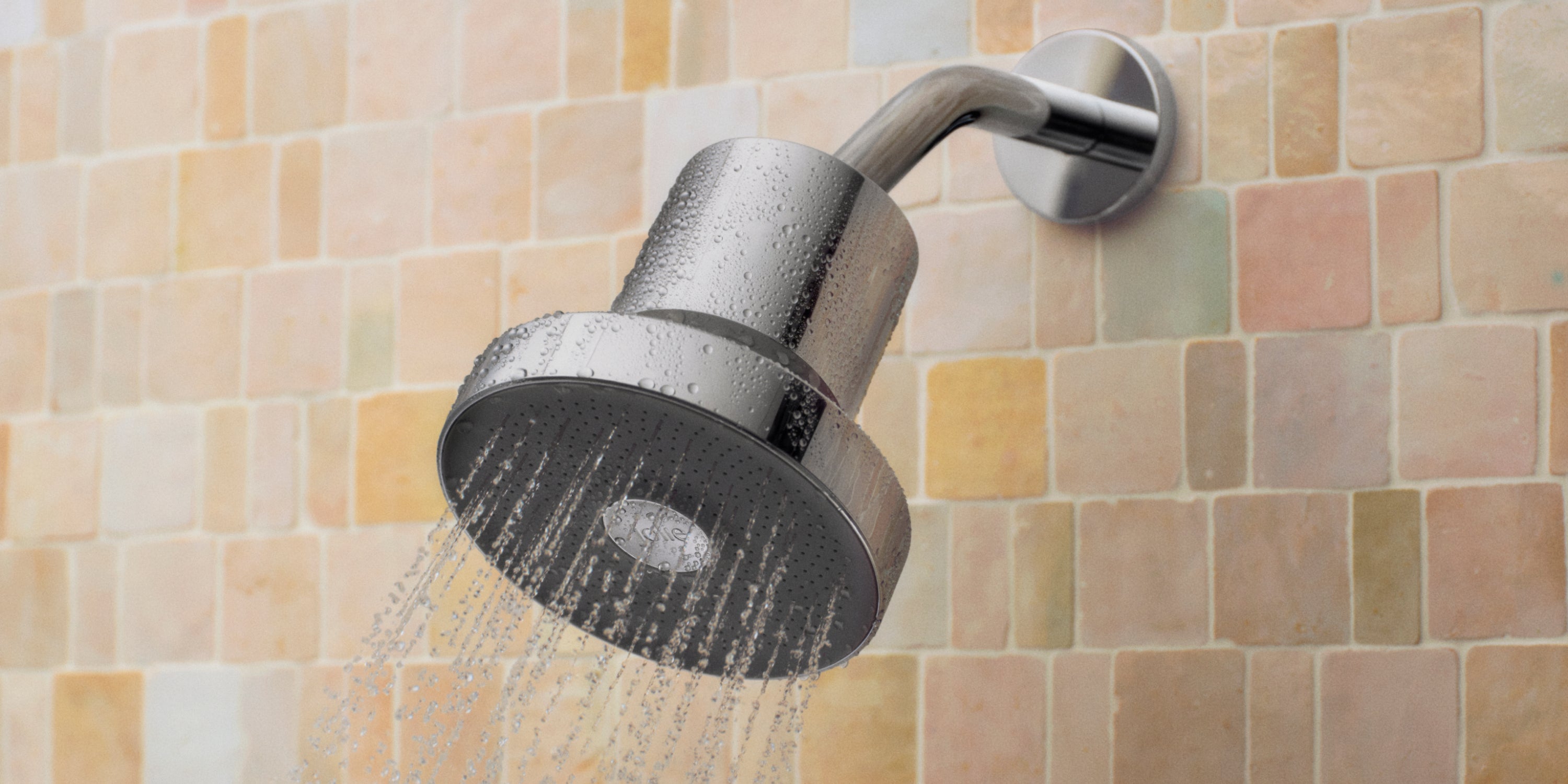
Jolie Filtered Showerhead

Water

JolieFiltered Showerhead

A two-stage shower filter built around KDF-55 and calcium sulfite — recommended specifically for chlorine reduction in the shower, not drinking water.

Why we chose it

The most appropriate media combination for chlorine reduction at shower temperatures, with clear scope and replacement guidance.

  • KDF-55
  • Calcium Sulfite
  • Shower Only

Hydration

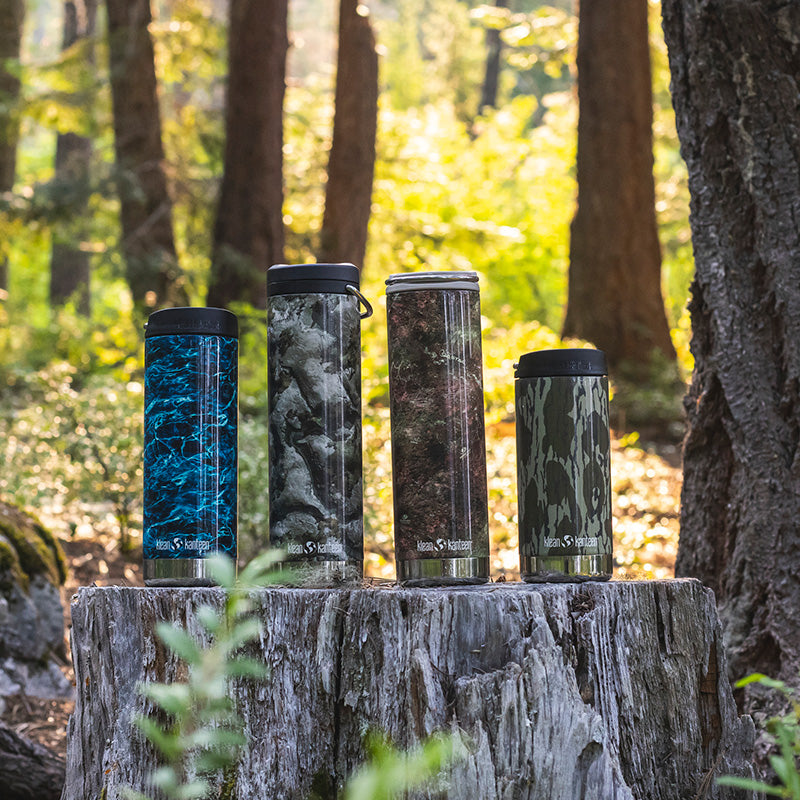
The bottle we keep coming back to.

Liner-free stainless steel, independently audited environmental certifications, and a service life measured in decades.

Klean Kanteen Classic Stainless Steel Bottle

Water

Klean KanteenClassic Stainless Steel Bottle

A liner-free 18/8 stainless steel bottle from a Certified B Corporation and Climate Neutral company.

Why we chose it

Liner-free stainless construction, independently audited environmental certifications, and decades of intended service life.

  • B Corp
  • Climate Neutral
  • 18/8 Stainless

Editorial note

Products That Didn’t Make the Cut

A short, honest note on a few well-known options we considered and ultimately set aside. Our intent is education, not criticism — companies and formulations change, and our standards may evolve with them.

Berkey Gravity Filter

Although widely respected, the current Black Berkey Elements lack independent NSF or WQA certification and rely on proprietary filtration media. Our standards prioritize transparent third-party testing over marketing claims, so we cannot confidently recommend it at this time.

Standard carbon-only pitchers

Many standard carbon pitchers improve taste and odor but lack verified removal of contaminants such as lead, PFAS, microplastics, and other emerging pollutants. We prefer alternatives with stronger independent validation.

Our philosophy

Education first. Recommendations second.

The Water section is meant to read like a field guide, not a catalog. Our hope is that you leave understanding how to evaluate a water filter — not simply which one to buy.