Non-toxic directory

Skincare

Thoughtfully selected skincare chosen for ingredient transparency, simpler formulations, gentle materials, and long-term skin health.

Editorial

Skincare should start with understanding.

Skincare has become increasingly complicated.

Long ingredient lists, dozens of active ingredients, and constant product launches often leave people feeling overwhelmed rather than informed.

At Modern Holistic Living, we believe skincare should begin with understanding — not marketing.

Rather than recommending what is trending, we evaluated ingredient transparency, formulation philosophy, company integrity, packaging, manufacturing practices, and long-term trustworthiness.

Only a small number of products earned a place in this directory.

A closer look

How to Read a Skincare Label

A handful of ingredient families cover nearly every honest skincare formula ever made — understanding what they actually are makes it far easier to evaluate any product on its own merits.

01 — Ingredient family

Carrier Oils

Examples

  • Jojoba
  • Olive
  • Sunflower
  • Tallow
  • Squalane

The base of most balms, oils, and creams. Carrier oils dilute concentrated botanicals and deliver them onto the skin in a usable form. Each one has its own fatty-acid profile and shelf life.

Why it matters

Carrier oils determine how a product feels, how well it absorbs, how stable it is on the shelf, and how comfortable it is to use day after day.

02 — Ingredient family

Botanical Extracts

Examples

  • Calendula
  • Chamomile
  • Sea Buckthorn
  • Green Tea
  • Rosemary

Plant materials infused into carrier oils or water bases. Often used for their long-standing traditional roles in soothing, calming, or supporting the skin barrier.

Why it matters

Botanical extracts are how a short, simple formula gains character. Recognizing the common ones makes ingredient lists far easier to read.

03 — Ingredient family

Humectants

Examples

  • Glycerin
  • Hyaluronic Acid
  • Aloe Vera

Ingredients that attract and hold water in the upper layers of the skin. Most modern moisturizers pair a humectant with an emollient and an occlusive to do the full job.

Why it matters

Without humectants, a moisturizer can feel rich on the surface while doing very little for actual hydration. They are the quiet workhorse of skincare.

04 — Ingredient family

Occlusives

Examples

  • Beeswax
  • Lanolin
  • Tallow
  • Plant Butters

Ingredients that form a protective layer on the skin, slowing water loss. They sit on top of the skin rather than penetrating it, which is exactly the point.

Why it matters

Occlusives are what allow a balm to protect rough hands, lips, and cheeks through wind, cold, and washing.

05 — Ingredient family

Mineral Sunscreens

Examples

  • Zinc Oxide
  • Titanium Dioxide

Mineral UV filters sit on the surface of the skin and reflect or scatter UV light. They differ from chemical filters (avobenzone, oxybenzone, octinoxate) which are absorbed into the skin to convert UV into heat.

Why it matters

Non-nano zinc and titanium remain the most studied UV filters with the longest safety track record, and the option we trust most for daily use.

06 — Ingredient family

Packaging

Examples

  • Glass
  • Aluminum
  • Plastic
  • Airless Pumps

Glass and aluminum are inert and protect oil-based and water-based formulas without leaching into the product. Plastic is lighter and shatter-resistant but can interact with certain formulations over time.

Why it matters

Packaging is part of the product. The right container helps the formula stay stable, and the wrong one can quietly undo what the formulator did right.

The standard

Things We Look For

Ingredients, packaging, and disclosure patterns that raise or lower our confidence in a skincare product, explained in plain language. The goal is education, not fear.

  • 01

    Artificial Fragrance

    Listed simply as 'fragrance' or 'parfum,' synthetic fragrance can represent dozens of undisclosed ingredients hidden behind a single word.

  • 02

    Parfum

    The European equivalent of 'fragrance.' Same regulatory loophole: a single line on the label can stand in for a large undisclosed mixture.

  • 03

    PEG Compounds

    Polyethylene glycols used as solubilizers and emulsifiers. Often safe as manufactured but can be contaminated during processing — disclosure varies.

  • 04

    Silicones

    Dimethicone, cyclopentasiloxane and similar. Provide a silky finish but sit on the skin without much functional benefit and are persistent in the environment.

  • 05

    Parabens

    A family of preservatives (methyl-, propyl-, butyl-) once standard in personal care. Effective but widely reformulated out due to consumer preference.

  • 06

    Phenoxyethanol

    A widely studied alternative preservative used at low concentrations. Generally well tolerated, but worth knowing it is present — we accept it in moderation.

  • 07

    Petroleum Derivatives

    Mineral oil, petrolatum, paraffin. Highly stable and well tolerated when pharmaceutical grade — quality of refining is what matters most.

  • 08

    Artificial Dyes

    FD&C and D&C colorants used purely for product appearance. We prefer formulations that omit them entirely, particularly for daily-use products.

  • 09

    PFAS

    Per- and polyfluoroalkyl substances. Used historically in long-wear and waterproof cosmetics; we avoid them across the entire category.

  • 10

    Microplastics

    Tiny plastic particles used as exfoliants, opacifiers, or texture modifiers. Phased out in some markets but still present in many imports.

  • 11

    Essential Oils

    Concentrated plant aromatics. Often beautiful and skin-appropriate, but a meaningful source of sensitization for reactive skin — worth noting on a label.

  • 12

    Preservative Systems

    Any water-based formula needs preservation to remain safe. The question is which preservatives, at what levels, and whether they are disclosed plainly.

  • 13

    Glass Packaging

    Inert, non-leaching, and recyclable indefinitely. The right format for oil-based balms and serums intended for slow, considered use.

  • 14

    Ingredient Transparency

    A complete, plain-language ingredient list published on the product page — not buried in a PDF or summarized as 'natural ingredients.'

  • 15

    Corporate Ownership

    Who owns the brand, how long the formulation has been stable, and whether the company is independent or a subsidiary of a much larger conglomerate.

Approved recommendations

The skincare we recommend without reservation.

Each of these earned its place through transparent ingredient disclosure, thoughtful formulation, glass-or-better packaging where appropriate, independent certification, and a track record of consistent integrity.

Primally Pure Everything Balm

Skincare

Primally PureEverything Balm

A tallow-based multi-purpose balm built around a short list of grass-fed, organic, and wild-harvested ingredients — packaged in glass and made in small batches in the United States.

Why we chose it

One of the shortest, most transparent ingredient lists in the category, anchored in traditional skin lipids and packaged in glass rather than plastic.

  • Tallow Based
  • Minimal Ingredients
  • Glass Packaging
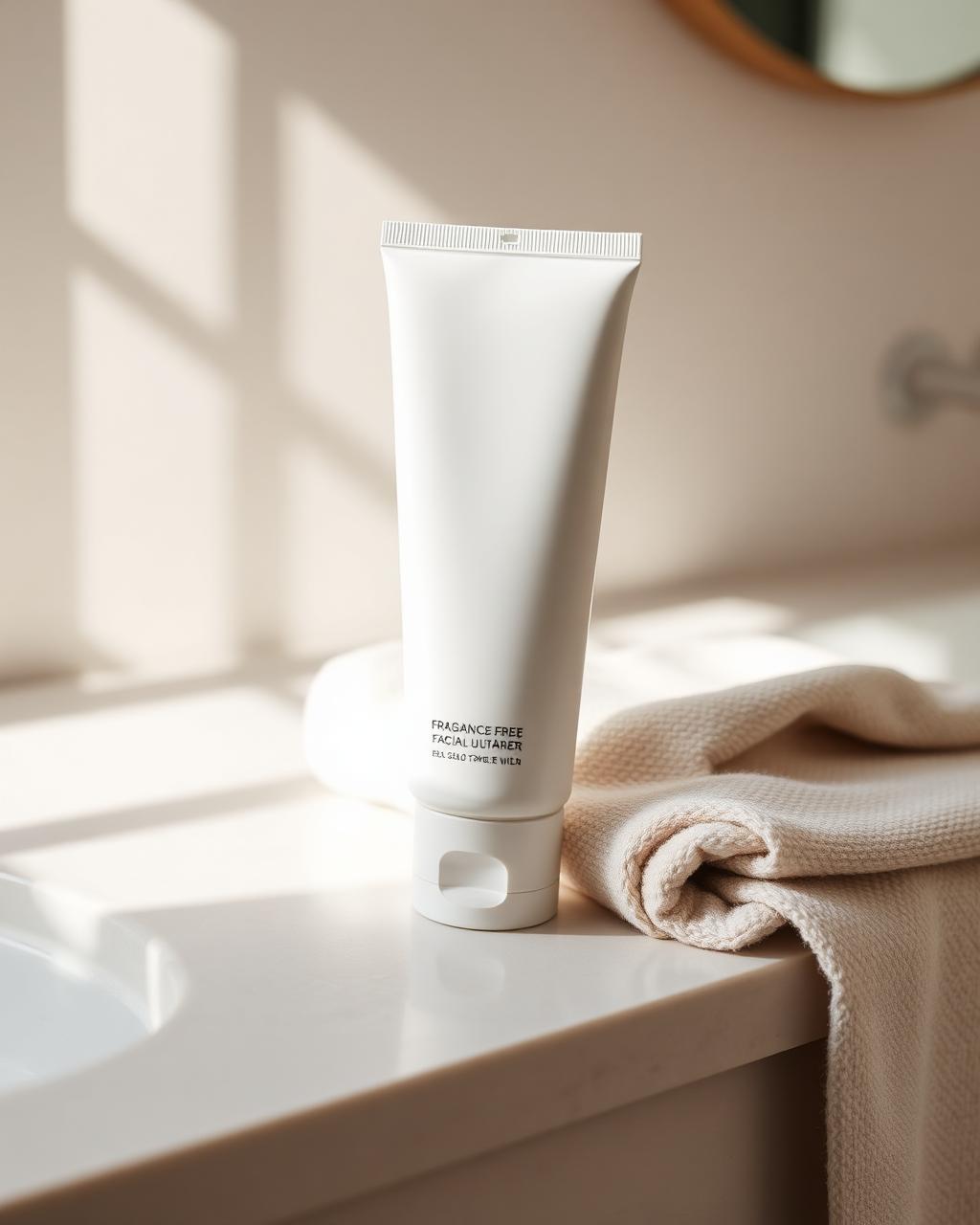
Vanicream Daily Facial Moisturizer

Skincare

VanicreamDaily Facial Moisturizer

A fragrance-free, dye-free facial moisturizer formulated with a deliberately short list of well-tolerated synthetic and naturally derived ingredients — long trusted in dermatology offices.

Why we chose it

An honest, sensitive-skin-first formula with clear 'free from' commitments — included as a thoughtful synthetic option, not a botanical one.

  • Fragrance Free
  • Sensitive Skin
  • Dermatologist Trusted
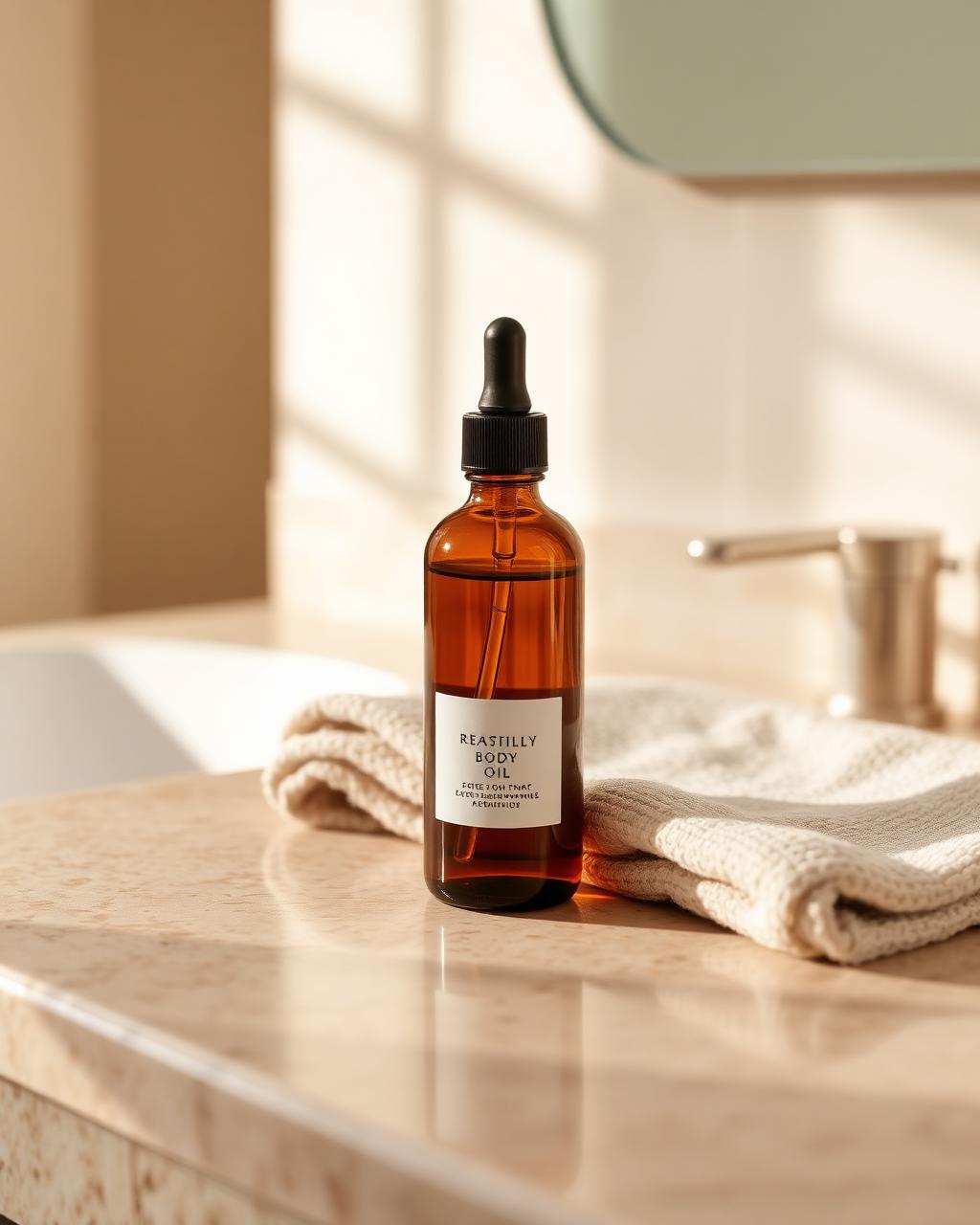
OSEA Undaria Algae Body Oil

Skincare

OSEAUndaria Algae Body Oil

A seaweed-based body oil built around hand-harvested Undaria pinnatifida from Patagonia, blended with a small set of organic plant oils — MADE SAFE certified and bottled in glass.

Why we chose it

Independent MADE SAFE certification, family-owned for decades, and a transparent sourcing story behind its hero seaweed ingredient.

  • Seaweed Based
  • MADE SAFE
  • Glass Packaging
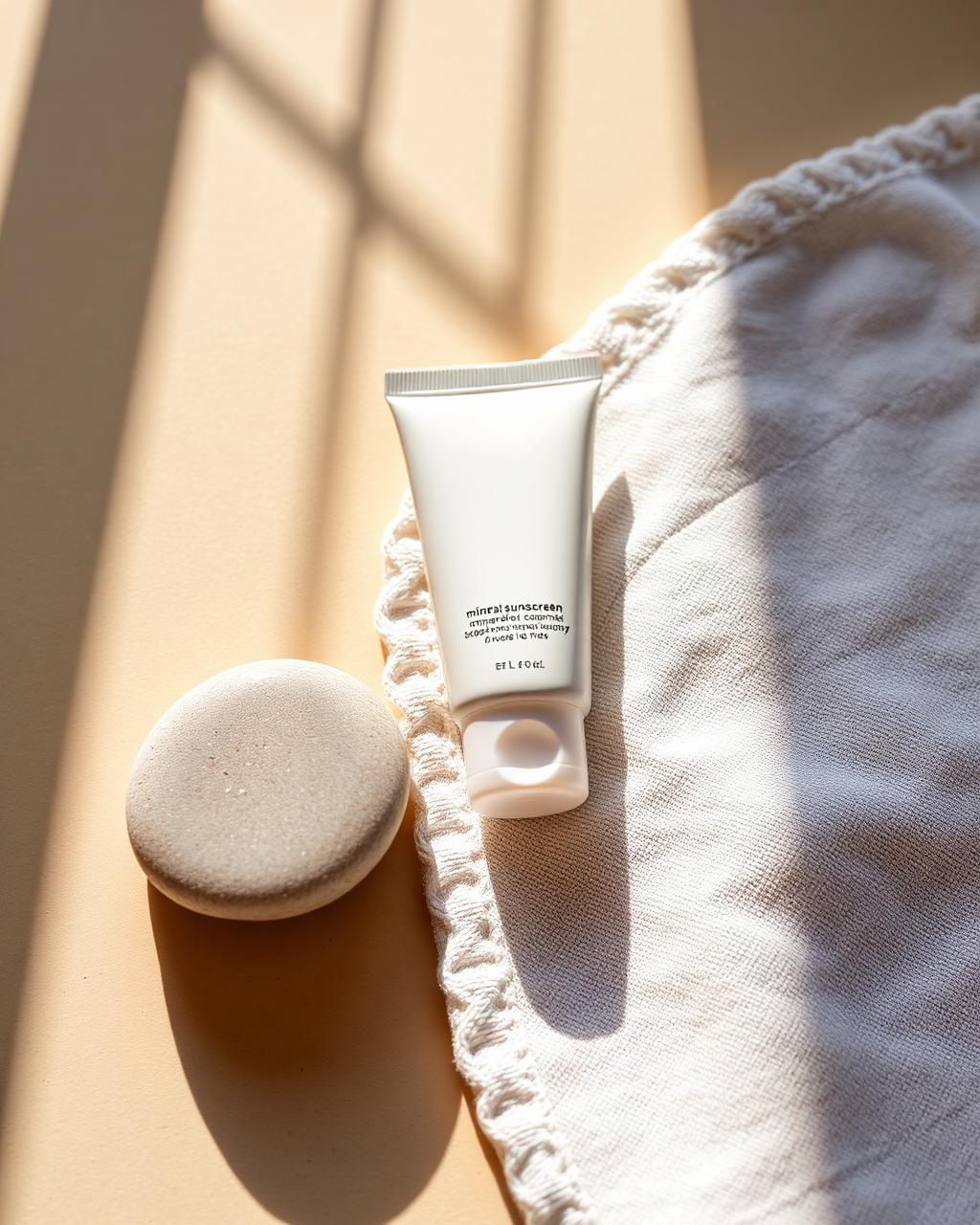
Badger Mineral Sunscreen Cream SPF 30

Skincare

BadgerMineral Sunscreen Cream SPF 30

A non-nano zinc oxide mineral sunscreen built on a short list of organic plant oils — family-owned, B Corp certified, and free of chemical UV filters.

Why we chose it

EWG Verified, B Corporation certified, with a small disclosed ingredient list and only non-nano zinc oxide as the active.

  • Non-Nano Zinc
  • EWG Verified
  • B Corporation
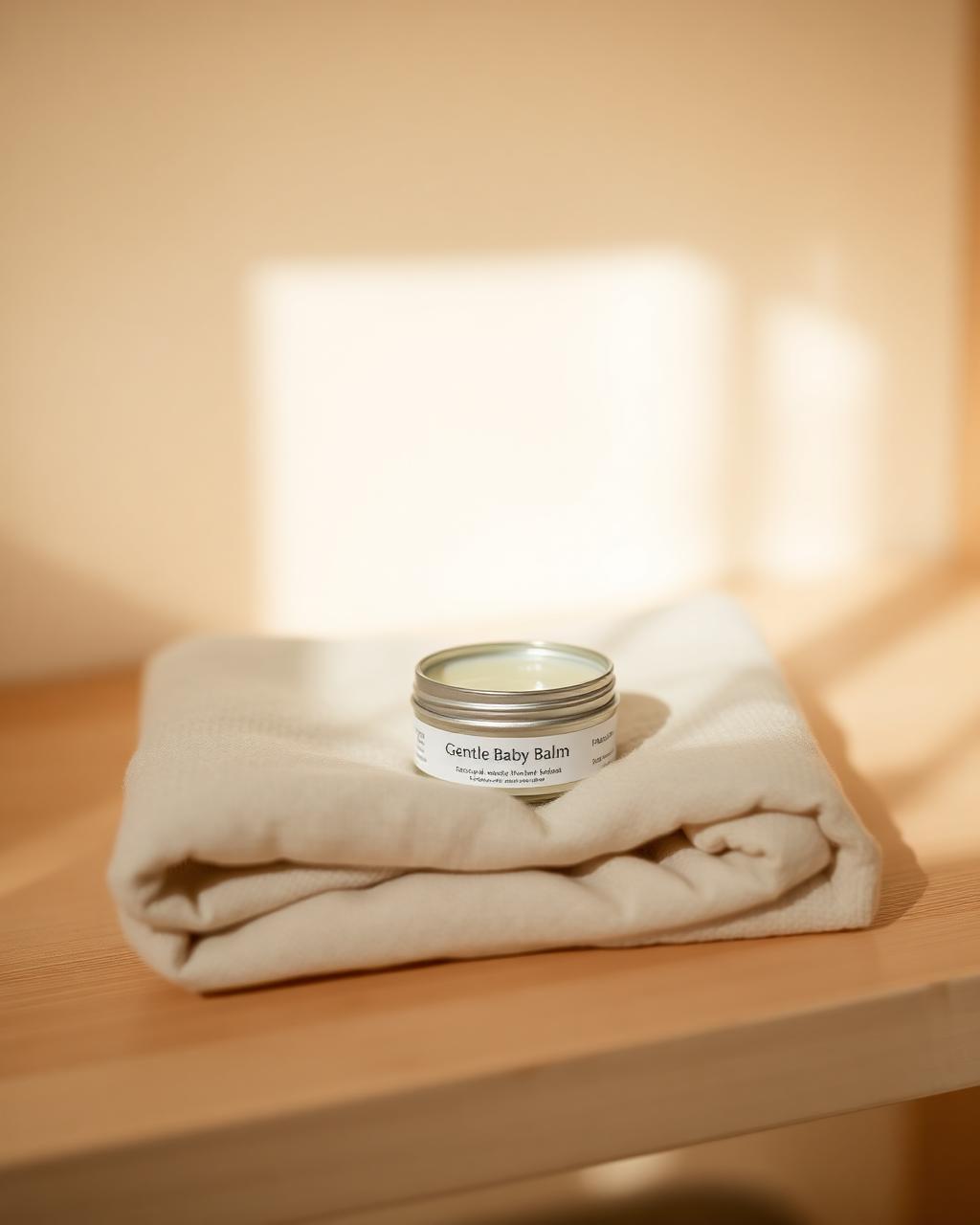
Earth Mama Baby Face Nose & Cheek Balm

Skincare

Earth MamaBaby Face Nose & Cheek Balm

A gentle botanical balm built around organic olive oil, calendula, and shea butter — fragrance-free, packaged in glass, and equally useful as a family balm beyond the nursery.

Why we chose it

Genuinely fragrance-free (no essential oils), EWG Verified, and built on a short botanical ingredient list with glass-jar packaging.

  • Fragrance Free
  • EWG Verified
  • Glass Packaging

Editorial note

Products That Didn’t Make the Cut

Most of the skincare we evaluated and set aside shared one or more of the same patterns: long synthetic fragrance lists, undisclosed parfum mixtures, microplastic exfoliants, opaque corporate ownership, plastic packaging chosen for cost rather than stability, and constantly reformulating catalogs designed around marketing cycles rather than formulation integrity.

Our intent here is education, not criticism. Formulations and ownership change, and our standards may evolve with them. Products not appearing in this directory today do not mean they cannot earn a place tomorrow.

What we ask of every skincare product is the same: tell us what it is made of, tell us who made it, package it well enough to respect the formula, and build it around long-term skin health rather than short-term marketing claims.
Our philosophy

Education first. Recommendations second.

The Skincare section is meant to read like a field guide, not a catalog. Our hope is that you leave understanding the difference between botanical and synthetic formulations, why ingredient transparency matters, how to recognize a thoughtful formulation, why fragrance deserves attention, why packaging matters, and how to evaluate skincare independently of marketing claims.