Non-toxic directory

Non-Toxic Toothpaste

Carefully researched toothpaste recommendations chosen for ingredient transparency, safer formulations, thoughtful packaging, and long-term trust — not marketing claims.

Editorial

The toothpaste aisle is deceptively simple.

Walking down the toothpaste aisle can feel deceptively simple. Most tubes promise healthier teeth, fresher breath, and stronger enamel.

Yet many formulas still rely on synthetic detergents, artificial flavors, unnecessary preservatives, or vague ingredient disclosures. The difference between a thoughtful natural toothpaste and a conventional one is rarely the marketing — it’s the back of the box.

Rather than recommending what is most popular, we researched ingredient transparency, company philosophy, packaging, certifications, manufacturing practices, and long-term trustworthiness.

Only a very small number earned a place in this directory.

A closer look

How to Read a Toothpaste Label

A handful of ingredient categories appear in almost every modern toothpaste — understanding what they actually do makes it far easier to evaluate any product on its own merits.

01 — Concept

Fluoride

Fluoride is the most studied ingredient in modern dentistry, used to support enamel hardness and reduce decay. Some consumers prefer to avoid it for personal, dietary, or health reasons.

Why it matters

We evaluate every toothpaste on its own merits rather than treating fluoride as automatically good or automatically suspect. Both fluoride and fluoride-free products can meet our standard when paired with a thoughtful overall routine.

02 — Concept

Hydroxyapatite

Hydroxyapatite is the same mineral your enamel is made of. Increasingly used in modern toothpaste formulations as a remineralization support, and used clinically in Japan since the 1970s.

Why it matters

We give particular weight to products that publish their hydroxyapatite percentage and explain the clinical context behind their formulation choices.

03 — Concept

SLS (Sodium Lauryl Sulfate)

SLS is the synthetic detergent responsible for the heavy foam in conventional toothpaste. It is widely used because foam is what most consumers expect.

Why it matters

Foaming is a sensory expectation, not a cleaning requirement. SLS is associated with mouth-tissue irritation in sensitive users, and most premium natural toothpastes deliberately omit it.

04 — Concept

Xylitol

A plant-derived sweetener studied for its ability to support a less cariogenic oral environment — sweetness without feeding the bacteria associated with decay.

Why it matters

Xylitol is one of the more useful functional ingredients to see on a toothpaste label. It appears in nearly every product in this directory for good reason.

05 — Concept

Natural abrasives

Examples

  • Calcium carbonate
  • Hydrated silica
  • Kaolin clay
  • Baking soda

Abrasives are what physically polish the tooth surface. Gentler mineral abrasives clean effectively without the enamel wear associated with harsher whitening compounds.

Why it matters

A toothpaste's abrasivity matters more than its foaming. We prefer formulations built around well-understood mineral abrasives rather than aggressive whitening agents.

06 — Concept

Essential oils

Examples

  • Peppermint
  • Spearmint
  • Myrrh
  • Tea tree
  • Chamomile

Essential oils provide botanical flavor and, in some cases, complementary oral-care benefits. They replace the proprietary “flavor” systems used in conventional toothpaste.

Why it matters

Named botanicals are a meaningful sign of formulation transparency. “Flavor” listed without specifics is one of the least transparent ingredient labels in personal care.

07 — Concept

Packaging

Examples

  • Aluminum tubes
  • Glass jars
  • Plastic tubes

Toothpaste packaging spans recyclable aluminum, refillable glass jars, and the plastic laminate tubes that dominate the category and are notoriously difficult to recycle.

Why it matters

Packaging is part of every recommendation. A great formula in a plastic laminate tube is held to a different standard than the same formula in glass.

The standard

Things We Look For

Ingredients and patterns that lower our confidence in a toothpaste, explained in plain language. The goal is education, not panic.

  • 01

    Artificial flavor

    “Flavor” listed without specifics — one of the least transparent labels in personal care.

  • 02

    Artificial sweeteners

    Saccharin, aspartame, and other synthetics where xylitol or stevia would do.

  • 03

    PEG compounds

    Polyethylene glycol derivatives included as inexpensive thickeners or solubilizers.

  • 04

    SLS / SLES

    Synthetic detergents that exist primarily to create foam expectations.

  • 05

    Titanium dioxide

    A whitening pigment with ongoing safety questions in oral and food applications.

  • 06

    Artificial dyes

    Cosmetic colorants with no oral-care function.

  • 07

    Parabens

    Synthetic preservatives we prefer to avoid in any leave-on or oral product.

  • 08

    Triclosan

    Once common in toothpaste, now largely phased out due to documented concerns.

  • 09

    Synthetic preservatives

    Preservatives whose function is unclear in a fluoride-free, low-water formula.

  • 10

    Microplastics

    Plastic microbeads or polymer particles included as abrasives.

  • 11

    Hidden “flavor”

    Single-word “flavor” entries that hide entire ingredient systems.

  • 12

    Opaque ownership

    Brands with no published parent company, supply chain, or manufacturing context.

Approved recommendations

The toothpastes we recommend without reservation.

Each of these earned its place through ingredient transparency, thoughtful packaging, and a long track record of formulation integrity.

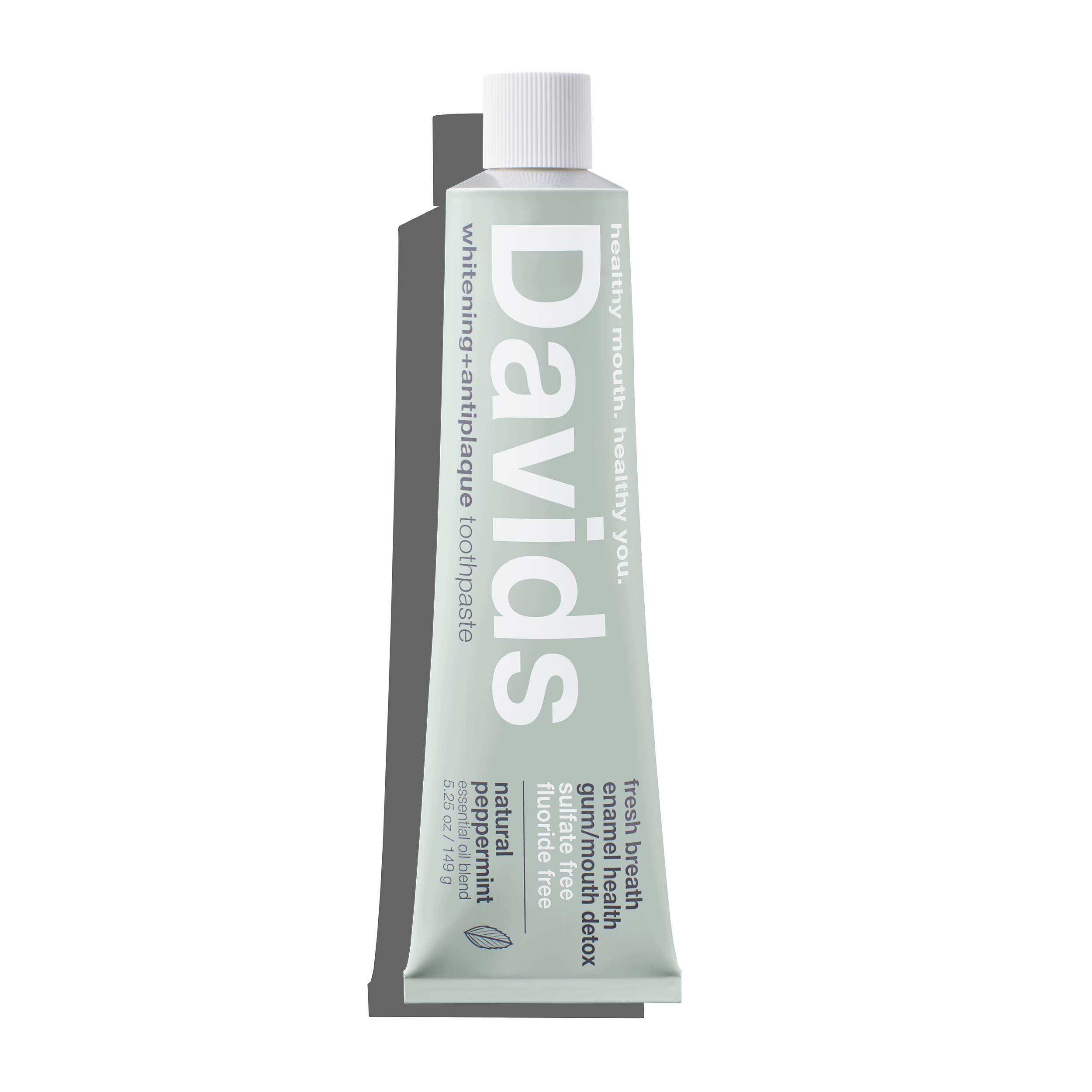
Davids Premium Toothpaste — Peppermint

Toothpaste

DavidsPremium Toothpaste — Peppermint

An American-made premium toothpaste in a recyclable aluminum tube, built around naturally sourced ingredients and a transparent ingredient deck.

Why we chose it

Aluminum packaging, disclosed botanical flavor, and a short, plain-language ingredient list.

  • Aluminum Tube
  • Fluoride Free
  • SLS Free
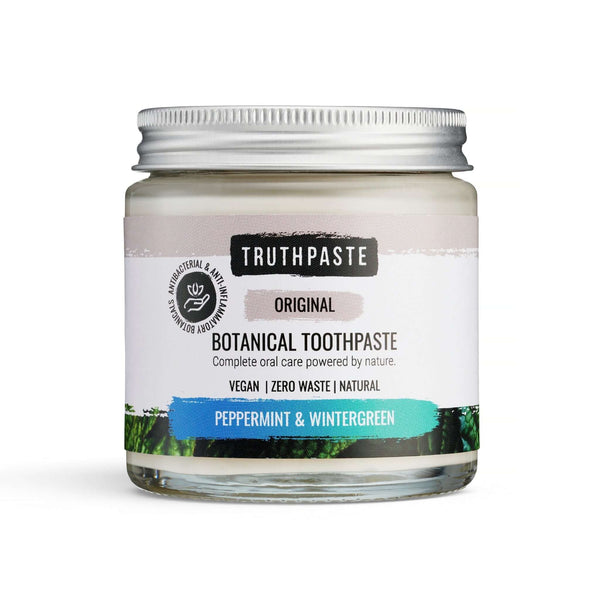
Truthpaste Original — Peppermint & Wintergreen

Toothpaste

TruthpasteOriginal — Peppermint & Wintergreen

A bentonite-clay-based mineral toothpaste packaged in glass, built from organic botanicals and zero synthetic actives.

Why we chose it

Glass packaging, food-grade clay base, and an unusually short, fully disclosed ingredient list.

  • Glass Jar
  • Bentonite Clay
  • Vegan
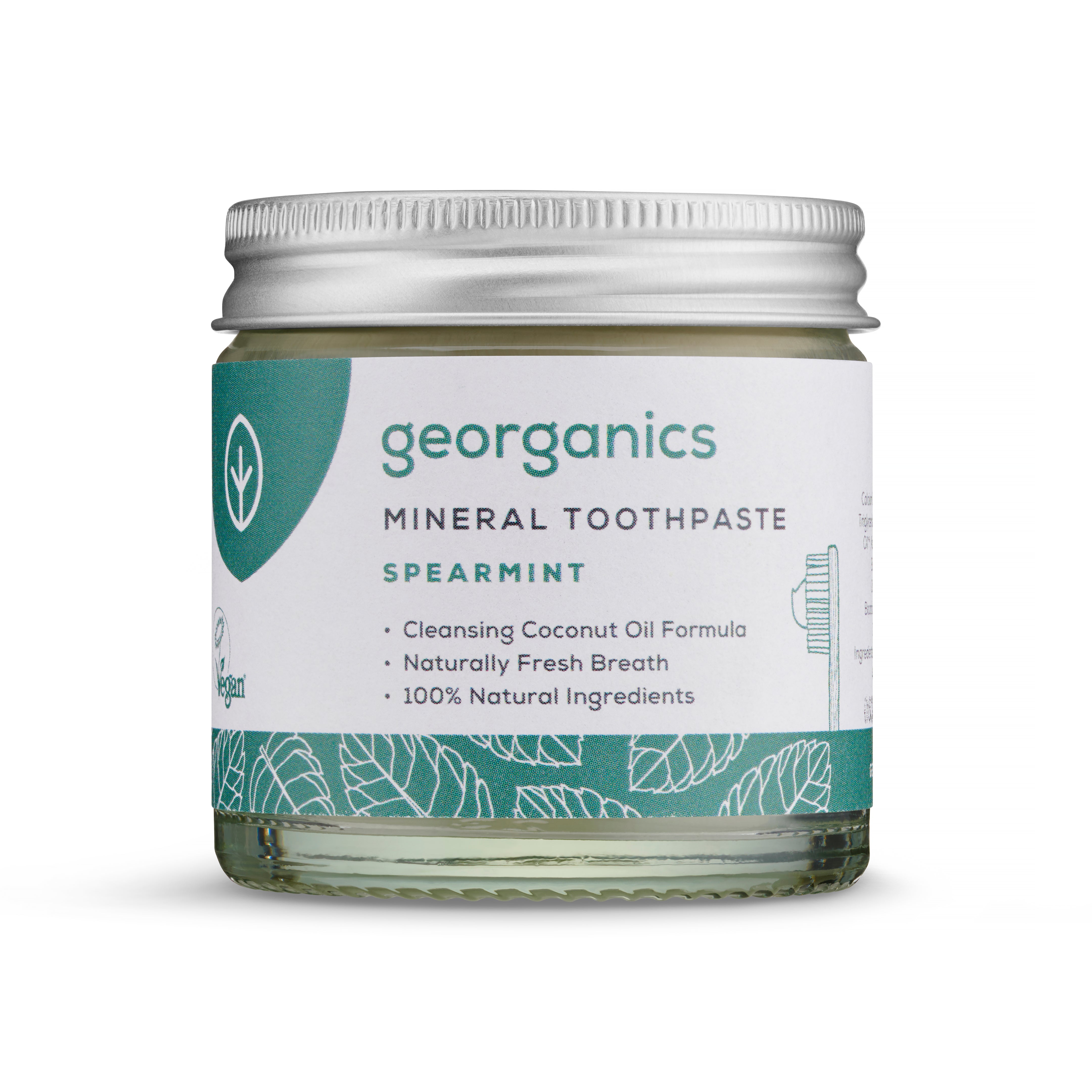
Georganics Natural Toothpaste — Spearmint

Toothpaste

GeorganicsNatural Toothpaste — Spearmint

A COSMOS Natural certified mineral toothpaste in a refillable glass jar — non-foaming, SLS-free, and glycerin-free.

Why we chose it

Independent COSMOS Natural certification, refill model, and one of the cleanest formulations in the category.

  • COSMOS Natural
  • Glass Jar
  • Glycerin Free
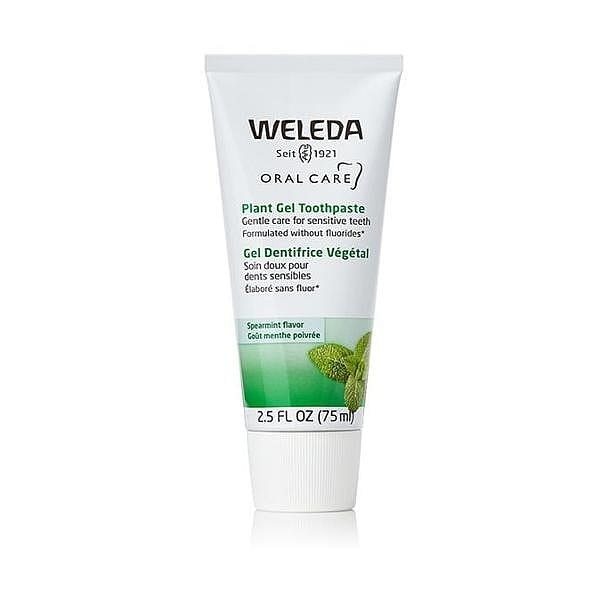
Weleda Plant Gel Toothpaste

Toothpaste

WeledaPlant Gel Toothpaste

A NATRUE-certified plant-based gel from a century-old European brand, built around silica and essential oils.

Why we chose it

NATRUE certification, nearly a century of formulation continuity, and broad availability.

  • NATRUE Certified
  • Fluoride Free
  • Vegan
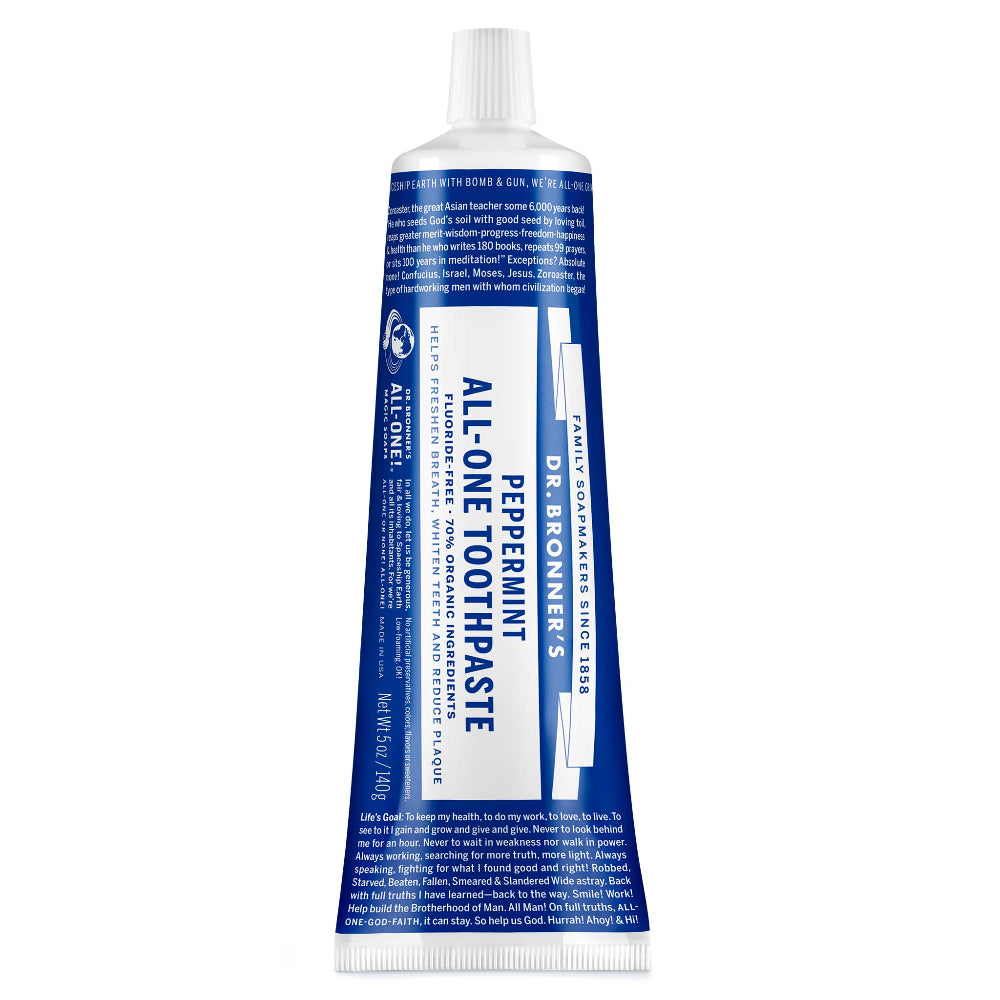
Dr. Bronner's All-One Toothpaste — Peppermint

Toothpaste

Dr. Bronner'sAll-One Toothpaste — Peppermint

A fluoride-free toothpaste from a regenerative-organic-certified, B Corp company built around fair trade organic ingredients.

Why we chose it

Multiple independent certifications, decades of corporate transparency, and a short organic ingredient list.

  • USDA Organic
  • Regenerative
  • B Corp

Conditionally approved

Excellent choices — with small, disclosed trade-offs.

These remain excellent toothpastes, but each carries a small compromise we believe deserves to be surfaced rather than hidden. The specifics are explained on every product page.

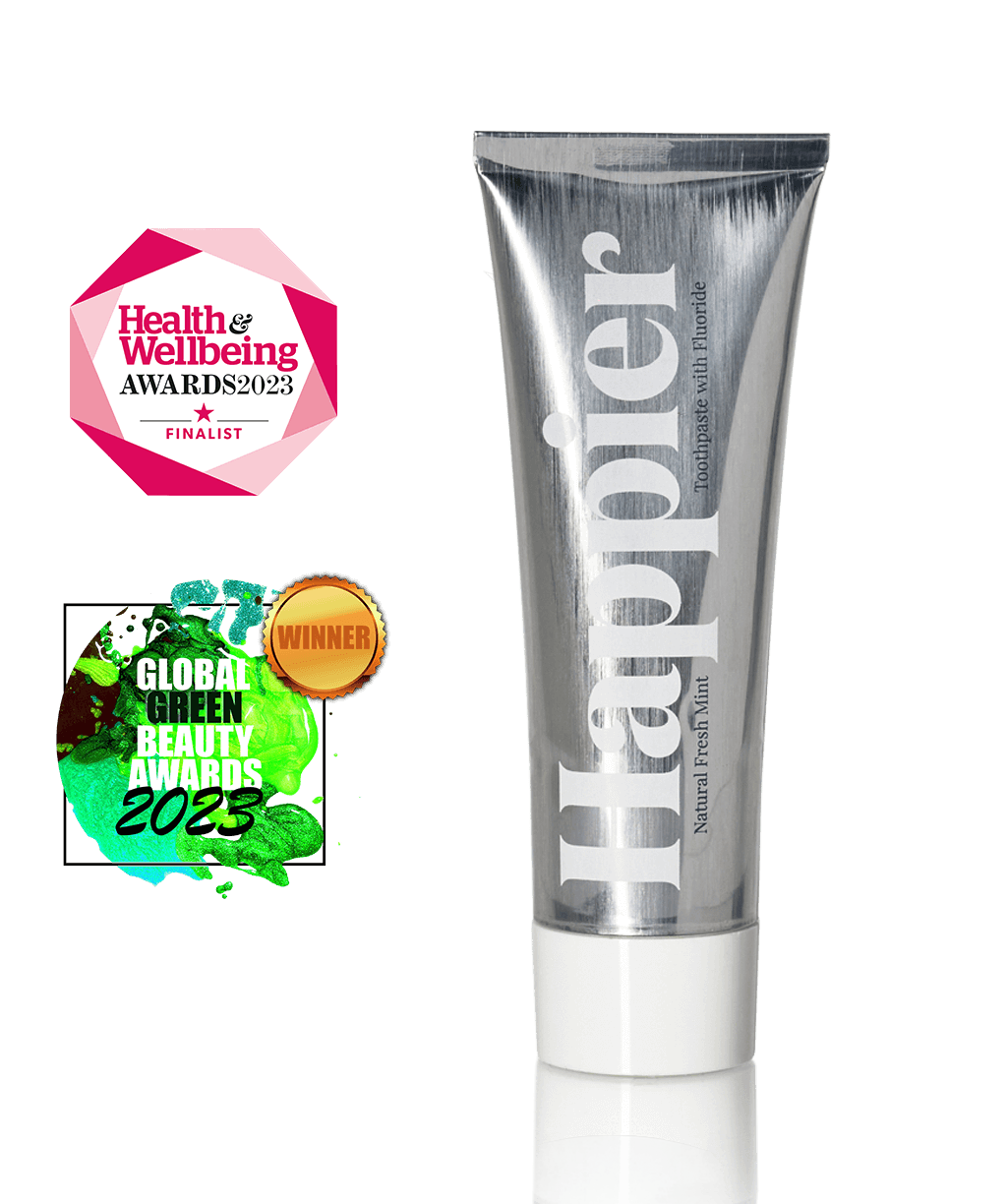
Happier Beauty Fresh Mint Toothpaste

Toothpaste

Happier BeautyFresh Mint Toothpaste

A hydroxyapatite-based whitening toothpaste built around enamel remineralization rather than abrasive bleaching.

Why we chose it

Modern, science-forward hydroxyapatite formulation with a clearly disclosed ingredient deck.

  • Hydroxyapatite
  • SLS Free
  • Vegan
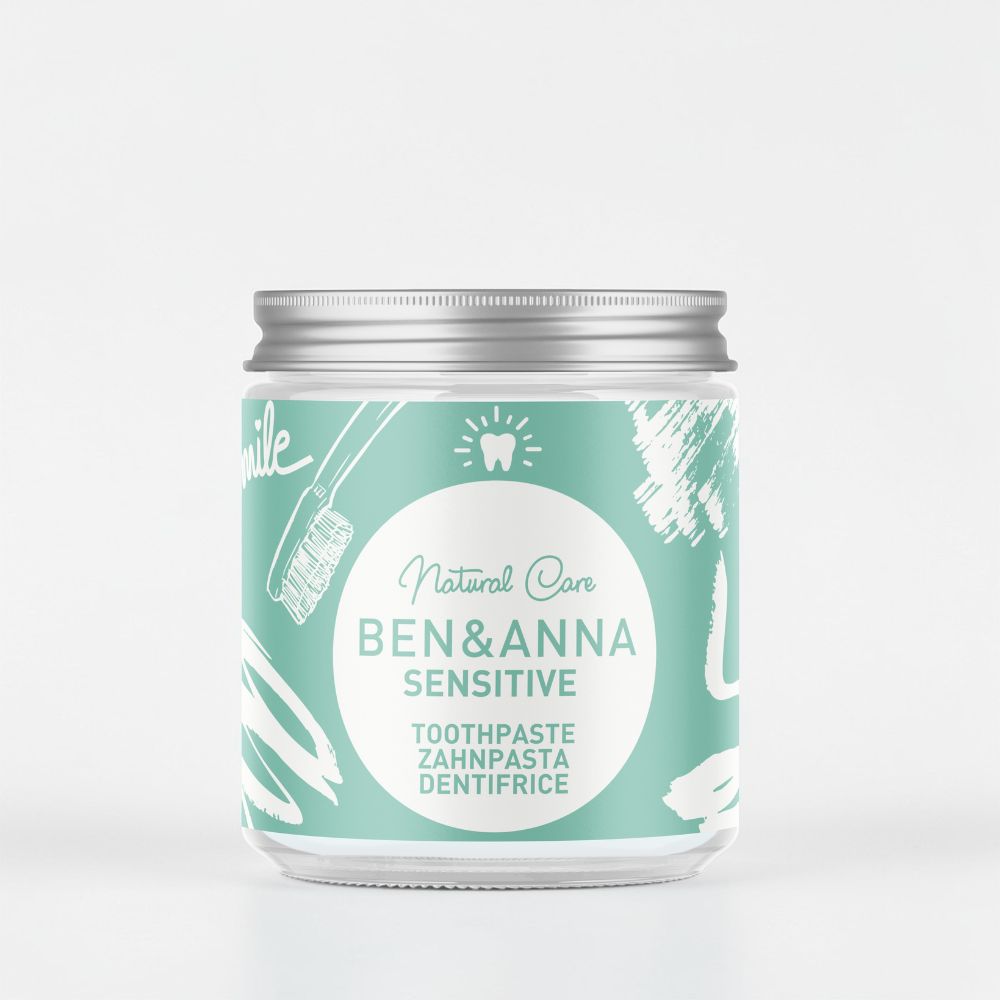
Ben & Anna Sensitive Mint Toothpaste

Toothpaste

Ben & AnnaSensitive Mint Toothpaste

A German-made glass-jar toothpaste built around chamomile, aloe vera, and sea buckthorn — designed for sensitive teeth and gums.

Why we chose it

Glass packaging, sensitive-skin botanicals, and European cosmetics-regulation oversight.

  • Glass Jar
  • Sensitive
  • Vegan
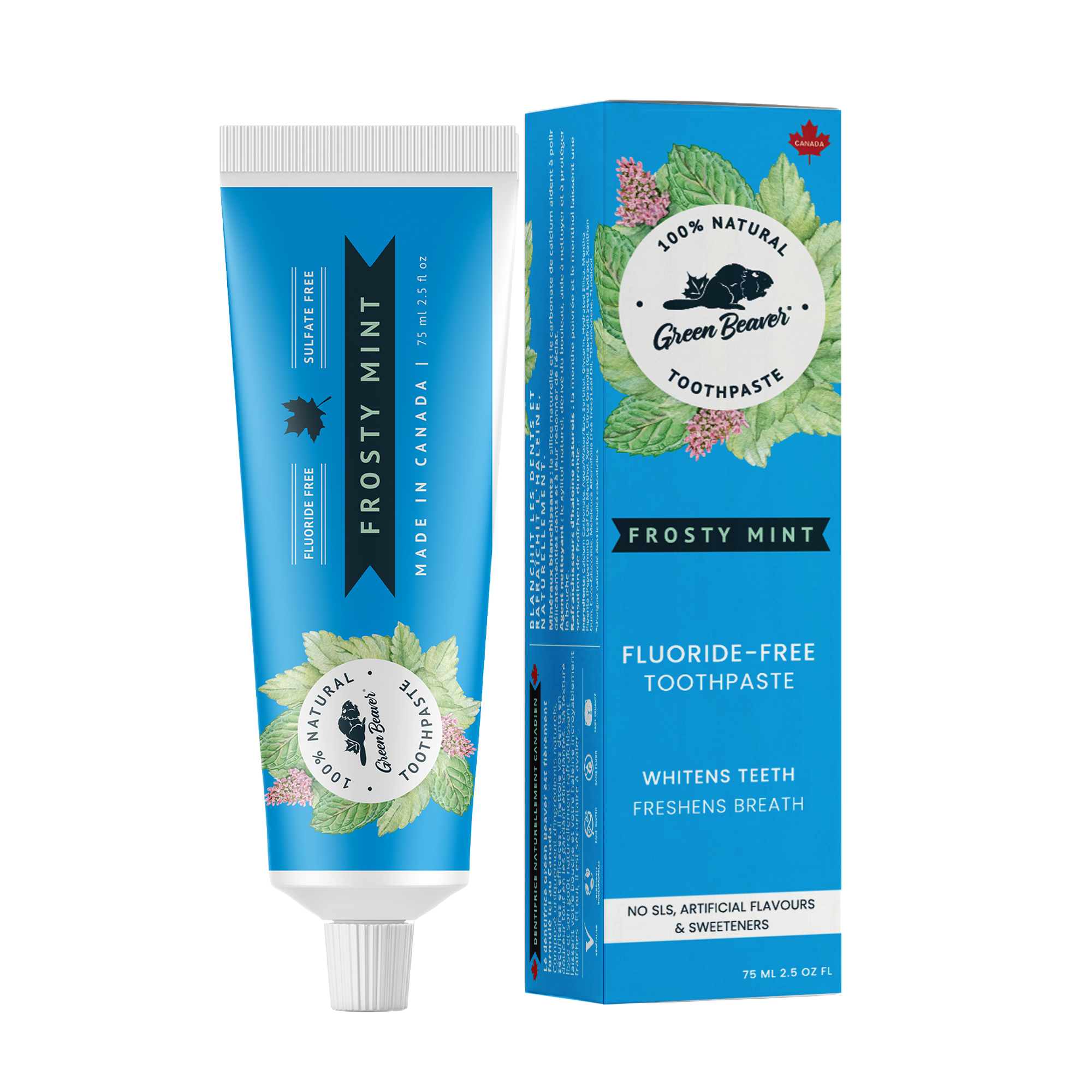
Green Beaver Frosty Mint Toothpaste

Toothpaste

Green BeaverFrosty Mint Toothpaste

A Canadian-made family toothpaste built around natural, fluoride-free ingredients at an accessible everyday price.

Why we chose it

Two decades of family-owned manufacturing, simple disclosed formula, and an accessible price point.

  • Family Owned
  • Fluoride Free
  • Vegan

Editorial note

Products That Didn’t Make the Cut

Most of the toothpastes we evaluated and ultimately set aside shared one or more of the same patterns: synthetic detergents in place of gentle cleansers, artificial flavor systems hiding behind a single “flavor” entry, opaque corporate ownership, synthetic preservatives with unclear purpose, plastic-heavy packaging without a credible recycling path, and marketing that implied more than the formula could support.

Our intent here is education, not criticism. Companies and formulations change, and our standards may evolve with them. A product not appearing in this directory today does not mean it cannot earn a place tomorrow.

What we ask of every toothpaste is the same: tell us what is in the tube, tell us what is not, and stand behind both for the long term.

Our philosophy

Education first. Recommendations second.

The Toothpaste section is meant to read like a field guide, not a catalog. Our hope is that you leave understanding how toothpaste actually works, which ingredients matter, and how to evaluate any product without relying on marketing.