- What actually makes a deodorant 'non-toxic'?
- There is no legal definition. We use the term to describe deodorants with full ingredient disclosure, no undisclosed fragrance, no aluminum-based antiperspirant salts, no PEGs or synthetic polymer fillers, and safer preservative systems — ideally backed by independent certification like EWG Verified, USDA Organic, or MADE SAFE.
- Stick, cream, spray, roll-on, or mineral salt — which format is best?
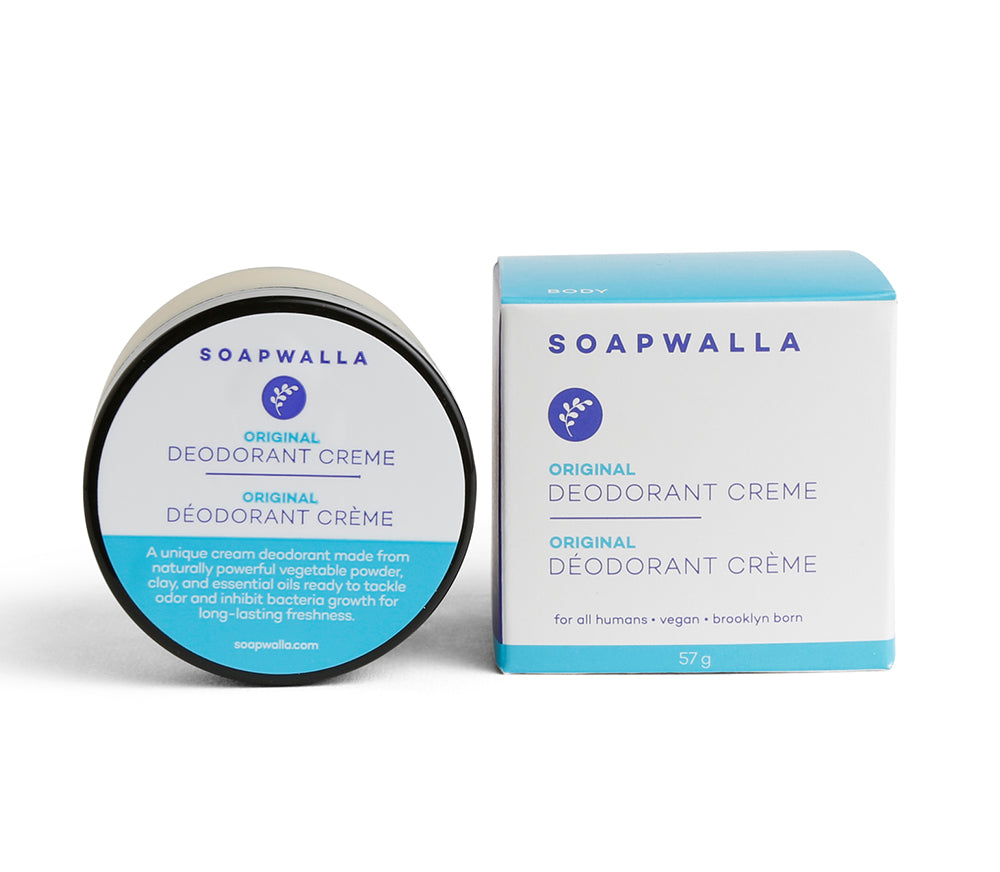
- Sticks are the most familiar and travel-friendly. Creams tend to use the shortest ingredient lists and are usually packaged in glass. Sprays disperse across skin quickly but almost always contain alcohol. Roll-ons need thickeners and preservatives. Mineral salt crystals are the simplest possible product — one ingredient — but require damp skin to work. Format is a real trade-off, not a detail.
- Is aluminum in deodorant actually a problem?
- Conventional antiperspirants use aluminum salts (aluminum chlorohydrate, aluminum zirconium tetrachlorohydrex) that temporarily plug sweat ducts. Naturally occurring potassium alum crystals are a different, minimally processed ingredient. The scientific case linking either to breast cancer or Alzheimer's is not settled, but our directory focuses on deodorants formulated without aluminum-based active ingredients — full stop.
- Why do so many natural deodorants irritate my skin?
- Two ingredients account for most reactions: baking soda (sodium bicarbonate), which is alkaline and can disrupt the skin's acid mantle, and essential oil load, which can sensitize skin at high concentrations. If you react, try a baking-soda-free formula or a fragrance-free one — often both.
- How long is the 'detox' period when switching?
- Two to four weeks is typical. You're not detoxing anything — your apocrine glands simply resume normal function once the aluminum plug is gone, and your skin's microbiome rebalances. The heavier odor phase is real; it also ends.
- Do natural deodorants actually work?
- The best ones do — with the right expectations. They neutralize odor rather than blocking sweat. Reapplication during hot days is normal. If you need to stay dry for a specific event, most families keep a conventional antiperspirant for that context and use a clean deodorant every other day.
- What is 'fragrance' hiding on the label?
- Under US regulation, 'fragrance' or 'parfum' can legally represent a proprietary mixture of dozens of ingredients including phthalates, allergens, and synthetic musks — none of which need to be listed individually. We prefer either fully unscented products or fully disclosed essential-oil blends.
- Is baking soda safe?
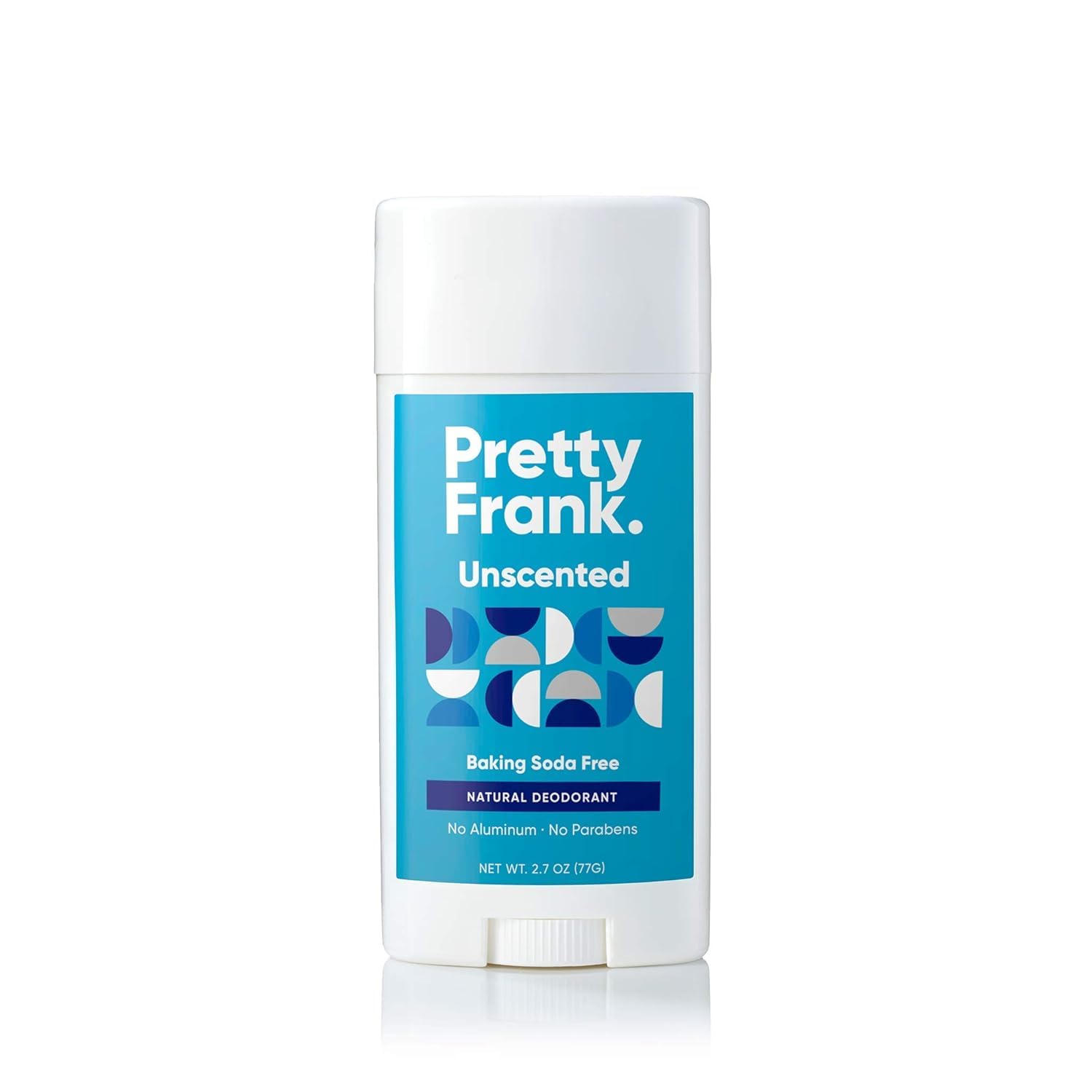
- For most people, yes. For people with sensitive skin, its high pH (around 9) can cause redness, itching, or rashes — especially after shaving. Baking-soda-free formulas built around arrowroot, magnesium hydroxide, or zinc ricinoleate solve the problem entirely.
- How many deodorants did you evaluate?
- We researched roughly 50 products from about 30 brands. Nine earned full approval, two are conditionally approved, and the remainder were set aside — most commonly for undisclosed fragrance, silicone or PEG fillers, or limited ingredient transparency.
- What about crystal deodorant?
- Pure potassium alum crystals are one of the shortest possible ingredient lists — a single mineral. They work by leaving a thin, salt-based film that inhibits odor-causing bacteria. They do contain aluminum in its unprocessed mineral form, which some households prefer to avoid and others accept as fundamentally different from processed aluminum antiperspirant salts.
- Should I avoid PEGs?
- PEG compounds (polyethylene glycol) are not acutely dangerous, but they are ethoxylated, which introduces a risk of 1,4-dioxane contamination unless the manufacturer discloses vacuum-stripping. We prefer plant-derived humectants and emulsifiers where possible.
- Are essential oils always safer than fragrance?
- Not automatically. Essential oils are naturally derived but chemically complex, and some (citrus, cinnamon, peppermint) are potent sensitizers. Fully disclosed essential-oil blends at reasonable percentages are our preferred fragrance approach — but disclosure and dosage both matter.
- How do I read a deodorant ingredient label?
- Ingredients are listed in descending order of concentration until you reach 1% — after which they can appear in any order. Water, coconut oil, shea butter, or baking soda usually anchor the top. Preservatives, essential oils, and vitamin E are typically at the bottom. Anything vague ('fragrance,' 'natural flavor,' 'proprietary blend') is a disclosure gap.
- What's the difference between deodorant and antiperspirant?
- Deodorants neutralize odor by inhibiting odor-causing bacteria. Antiperspirants reduce sweat production by temporarily blocking sweat ducts — this requires an aluminum-based active ingredient regulated by the FDA as an over-the-counter drug. Every product in this directory is a deodorant, not an antiperspirant.
- How should I store deodorant?
- Room temperature, out of direct sun. Coconut-oil-based sticks and creams will soften above 76°F (24°C) and re-harden on cooling — this is normal and does not affect performance. Store spares in a cool cabinet, not in a bathroom that gets steamy.
- Is refillable deodorant worth it?
- For plastic reduction, yes. Refillable systems (magnetic cases, screw-in cartridges) reduce packaging by 80 to 90 percent over the lifetime of the product. The trade-off is a higher upfront cost. If you use deodorant daily and plan to stick with one brand, the math works out quickly.